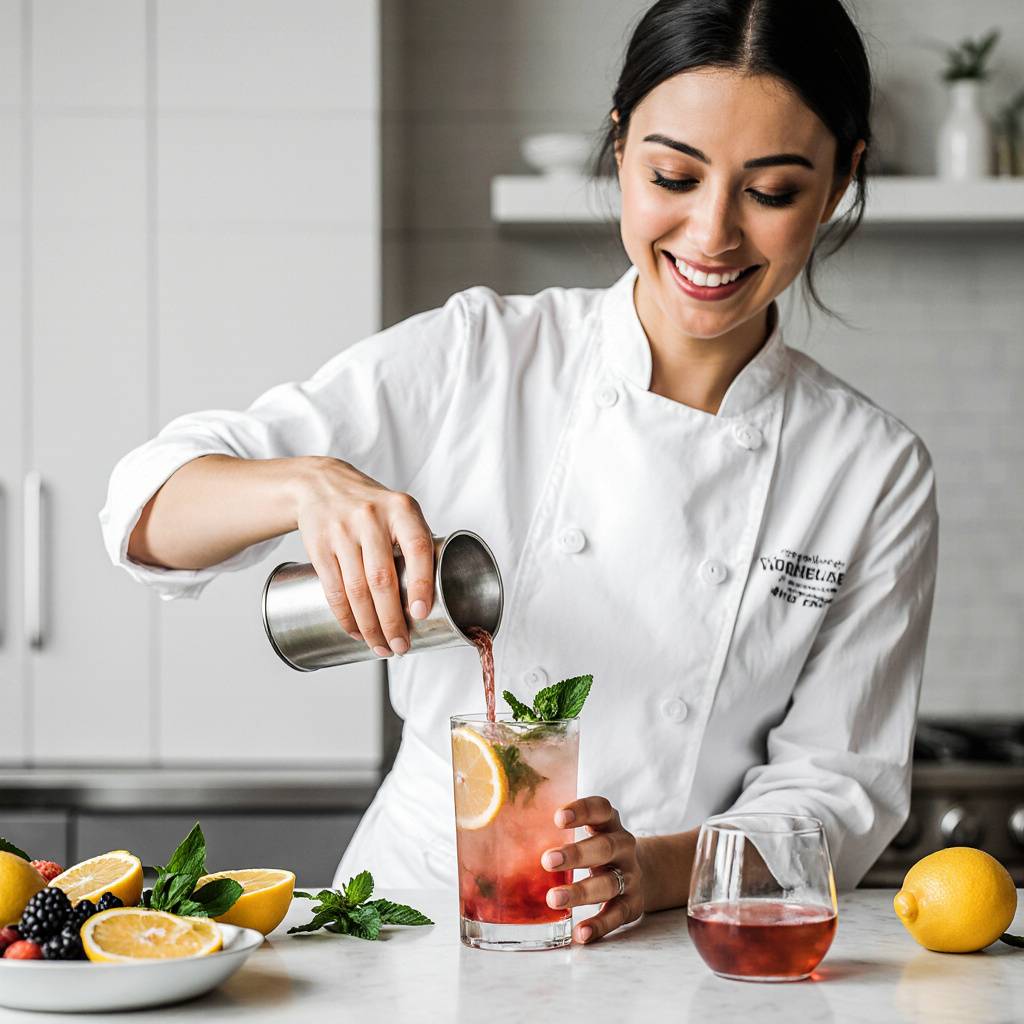
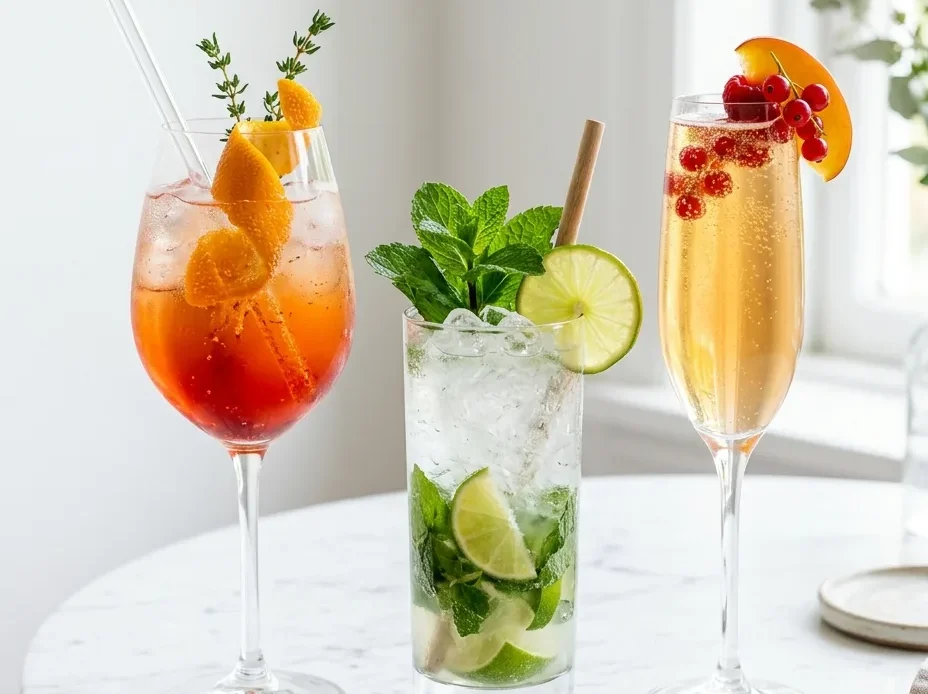
Wikipedia traces the term “sober curious” to Ruby Warrington’s 2019 book of the same name — it means questioning the reflex to drink, not committing to permanent abstinence. These 10 sober curious mocktails follow that spirit: drinks sophisticated enough for a dinner party, pulled from recipes already tested on this site rather than linked out to someone else’s five-minute list.
Every pick here has real bitterness, acidity, or spice built into it, nothing that tastes like it is apologizing for skipping the alcohol. Every one of these sober curious mocktails links to its own full recipe, complete with a tested ratio and a troubleshooting section, not just a photo and an ingredient list. If you want the full logic on what actually makes a mocktail feel grown-up instead of like juice, that is covered further down, along with a straight answer on how sober curious differs from Dry January.
1. Virgin Mojito
The virgin mojito earns its spot for one reason: it batches well. Muddled mint, fresh lime, a touch of simple syrup, and soda water, built to scale for a full table instead of one glass at a time. It is the safest pick on this list if you are hosting people who are not sober curious themselves and just want something crisp and cold.
Serve it in a tall glass over crushed ice with an extra mint sprig; it holds its fizz better than most batched mocktails do. Of the sober curious mocktails on this list, it is the easiest one to make ahead for a full table of guests.
2. Mockmosa
A mockmosa solves the actual problem with most non-alcoholic mimosas, which is that fresh orange juice plus sparkling water tastes thin and one-note. This version adds a splash of white grape juice for body, so it holds up at a brunch table next to the real thing without anyone noticing the swap. Pour it in a coupe glass for the visual cue alone; most people register “mimosa” from the glass before they taste anything. It is a natural brunch pick among sober curious mocktails, since the format is already familiar.
3. Mocktail Aperol Spritz
This is the pick for anyone who actually misses the bitterness of a real spritz, not just the fizz. The mocktail Aperol spritz leans on a bittersweet aperitivo-style syrup instead of sugar syrup, which is the detail most quick versions skip and the reason theirs taste like orange soda. Build it in a wine glass over ice with a wide orange peel, the same way the real spritz gets served. Of all the sober curious mocktails here, this one comes closest to tasting like you gave something up on purpose, not by accident.
4. Virgin Mary
Savory mocktails are underrepresented on most sober curious lists, and the virgin Mary fixes that. Tomato juice, hot sauce, horseradish, and celery salt, built with the same seasoning logic as the alcoholic version rather than a watered-down compromise. Serve it in a tall glass with a celery stalk and a rim of celery salt, and treat the hot sauce amount as a starting point, not a fixed rule. A solid option for anyone building out a lineup of sober curious mocktails that is not entirely sweet.
5. Passion Fruit Mocktail
The passion fruit mocktail is the tart one on this list. Passion fruit pulp cuts through sweetness in a way most fruit mocktails do not manage, so it reads as an actual drink rather than juice with bubbles. A few passion fruit seeds stirred through at the end give it texture most fruit mocktails skip entirely.
Good pick if you want something tropical without it feeling like dessert. It is one of the brighter sober curious mocktails on this list, best served during the day rather than after dinner.
6. Peach Bellini Mocktail
A real bellini is peach puree and prosecco, so the peach bellini mocktail leans hard on ripe peach puree and a dry sparkling non-alcoholic wine to keep that same texture and slight tannic edge, instead of substituting peach juice and calling it done. Serve chilled in a flute for the classic presentation. One of the more reliable sober curious mocktails for celebrations specifically, not just an everyday drink.
7. Lychee Lime Mojito Spritz
The lychee lime mojito spritz is the most unusual pick here and also the one that gets the most repeat requests, since lychee brings a floral sweetness lime alone cannot. It splits the difference between a mojito and a spritz, which makes it a good option if your table cannot agree on a single style. Garnish with a lime wheel and a lychee if you can find canned ones in syrup. Among the sober curious mocktails on this list, it is the one people ask about the most.
8. Long Beach Iced Tea Mocktail
The Long Beach iced tea mocktail is the layered, multi-ingredient option for anyone who wants a drink that actually feels like a real cocktail order, not a simplified stand-in. Cranberry gives it the color and tartness the original relies on, without needing five separate spirits to fake the depth. It is one of the more involved recipes on this list, and exactly the kind of sober curious drink that does not feel like a downgrade.
9. Apple Cider Mocktail
For a warm option, the apple cider mocktail uses spiced apple cider topped with ginger beer, which gives it real carbonation and bite instead of tasting like plain warm juice. It is a fall and early-winter pick, worth saving if the rest of this list skews too cold and bright for the season. Serve it warm in a mug, not over ice, for the best spice aroma. It is one of the few sober curious mocktails on this list built specifically for cold weather rather than a summer table.
10. Pear Mocktail with Ginger and Lime
The pear mocktail closes the list as the most restrained option: pear, fresh ginger, and lime, with nothing else competing for attention. If the other nine feel too involved, this is the one to start with. Three ingredients, five minutes, and it still reads as a considered drink rather than an afterthought. Proof that sober curious mocktails do not have to be complicated to work.
What Makes a Sober Curious Mocktail Feel Grown-Up?
Sweetness is the first thing to fix in most sober curious mocktails. Quick recipes lean on juice and simple syrup because they are easy, but that is also why they end up tasting like a kid’s drink at a birthday party. Real bitterness, real acid, and something dry on the finish are what separate a sophisticated non-alcoholic drink from a fruit punch.
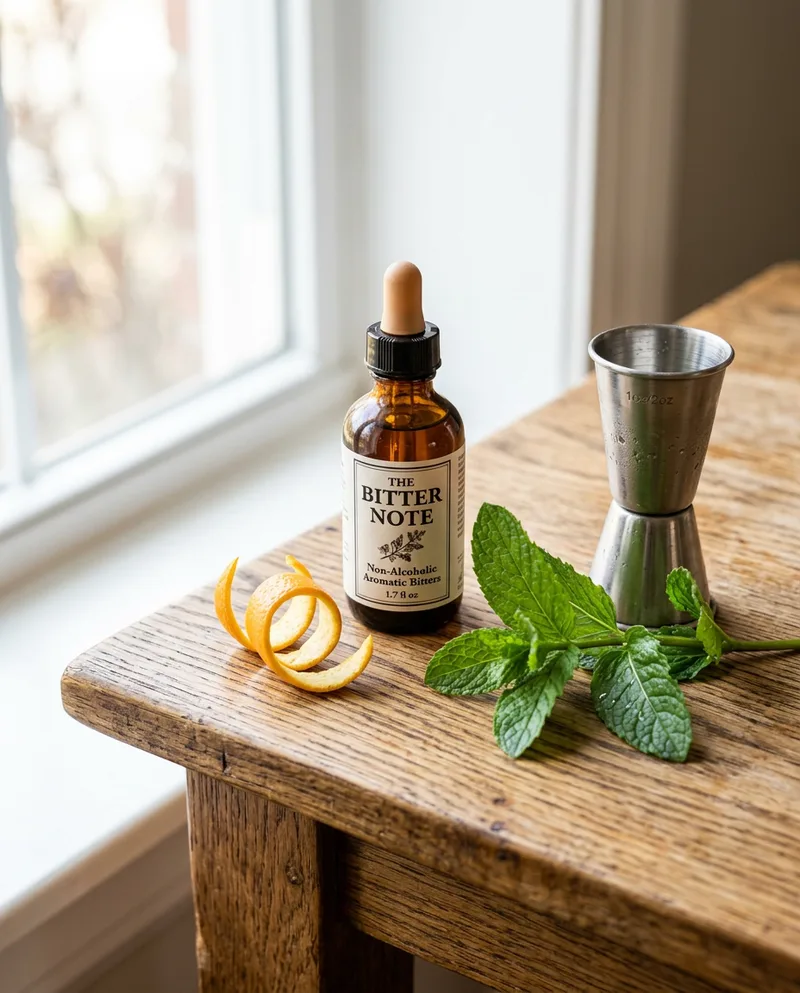
Bitters do the heaviest lifting here. A few dashes of non-alcoholic bitters, or a bittersweet syrup like the one in the Aperol spritz recipe above, adds the edge that plain juice cannot fake. Fresh citrus juice, not bottled, does the acid work; bottled juice tastes flat and slightly sweet in a way that dulls the whole drink.
Carbonation matters more than most recipes admit. A flat mocktail reads as juice regardless of what is in it, so soda water, tonic, or a dry non-alcoholic sparkling wine should go in last and stay cold until the moment of serving.
Glassware is the last lever, and it is a cheap one: the same drink in a coupe or a proper highball reads as intentional in a way the same liquid in a plastic cup never will. Small choices, but they are what make something feel sober curious rather than just alcohol-free.
None of this requires special equipment; a jigger for accuracy and a decent glass are the only two things that actually change the result, and every recipe in this list of sober curious mocktails already accounts for it.
Sober Curious vs. Dry January
The two get used interchangeably, and they are not the same thing. Dry January is a fixed 31-day commitment to zero alcohol, usually treated as a reset after December. Sober curious has no start or end date and does not require full abstinence; it is closer to questioning each individual decision to drink rather than following a fixed rule.
That distinction matters for how you use a list like this one. If you are doing Dry January, these 10 sober curious mocktails work as direct substitutes for the full month. If you are sober curious in the way Ruby Warrington originally meant it, they are just as useful on a random Tuesday when you would normally default to a drink out of habit rather than actual want.
Neither term is a stand-in for recovery from alcohol dependence, and nothing on this site should be read as medical guidance for that situation. If that is what you are navigating, a doctor or a support program is the right resource, not a recipe list.
Related Recipes
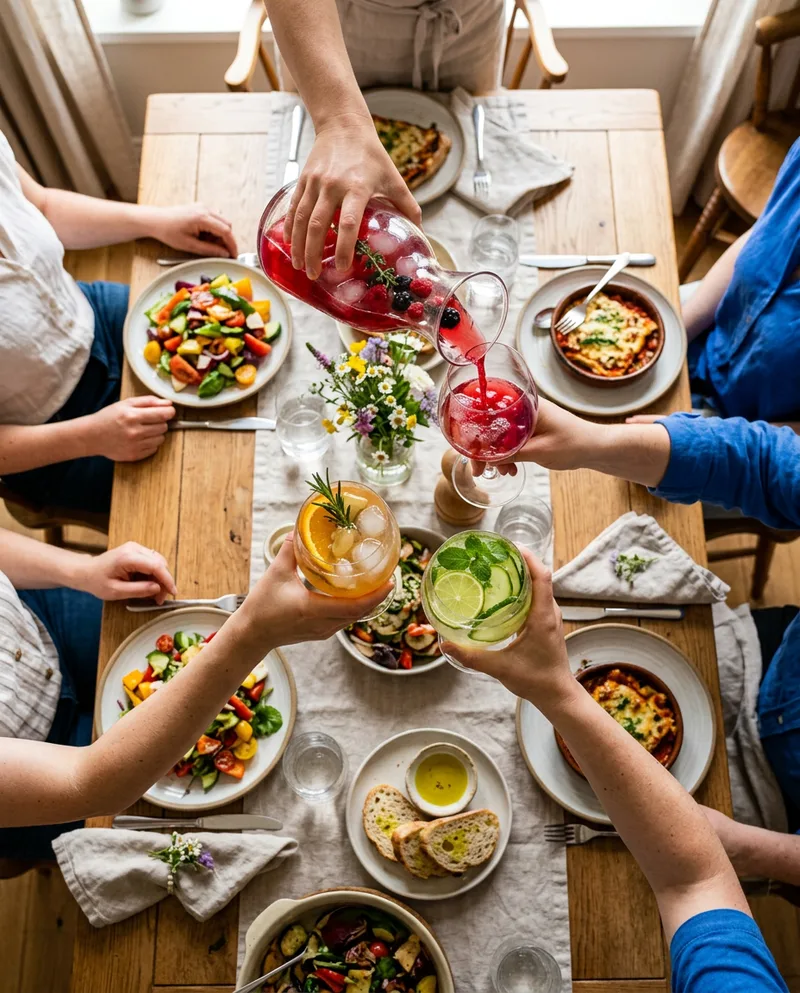
For more sober curious mocktails beyond this list, the full mocktail recipes hub has the complete index, and the 10 Most Popular Mocktails roundup is a good next stop if you want the most-ordered styles specifically. Low Calorie Mocktails is the one to check if flavor is not the only thing you are optimizing for. For a party pitcher, my non alcoholic sangria is a good zero-proof option.
Ten sober curious mocktails, all already tested on this site, none of them a placeholder for something better. Start with whichever flavor profile sounds right and work from there.
Frequently Asked Questions
What does “sober curious” actually mean?
The term comes from Ruby Warrington’s 2019 book of the same name. It means questioning your reflex to drink in a given moment rather than committing to permanent abstinence or following a fixed rule like a dry month.
Is sober curious the same as Dry January?
No. Dry January is a fixed 31-day commitment to zero alcohol. Sober curious has no start or end date and does not require full abstinence; it is about deciding case by case rather than following a set period.
What makes a mocktail taste less like juice?
Real bitterness, real acid from fresh citrus, and carbonation added last so it stays cold and fizzy at serving time. Sweetness alone is what makes most quick mocktails taste like a kid’s drink.
Which mocktail on this list is the easiest to start with?
The pear mocktail with ginger and lime. It only uses three ingredients and takes about five minutes, so it is the least involved recipe on the list.
Can I use these mocktails for a full Dry January?
Yes. All 10 work as direct substitutes for a 31-day Dry January, and each one links to a full recipe with a tested ratio rather than a rough guideline.
Do any of these mocktails work for a formal dinner or brunch?
The mockmosa and the peach bellini mocktail are both built for that setting specifically, served in a coupe or flute to match the presentation of the drinks they replace.
What is the best savory option on this list?
The virgin Mary. It uses tomato juice, hot sauce, horseradish, and celery salt, seasoned the same way as the alcoholic original rather than a watered-down version.
Is this list appropriate for someone recovering from alcohol dependence?
No. Sober curious and Dry January are both mindset or habit-based approaches, not recovery tools. If you are navigating alcohol dependence, a doctor or a support program is the right resource, not a recipe list.