

Raspberry leaf tea is one of those simple drinks that quietly becomes part of your daily routine. No caffeine, no complicated ingredients, just a natural herbal infusion that’s easy to prepare and surprisingly pleasant to drink.
If you’re looking for a healthier alternative to sugary drinks or just want something calming and homemade, this tea is a great place to start.
7 Key Benefits of Raspberry Leaf Tea
Raspberry leaf tea has been used for centuries
as a natural herbal remedy. Here are the 7 main
benefits that make it worth adding to your daily
routine.
- Rich in calcium — supports
bone health and muscle function - High in iron — helps maintain
healthy energy levels naturally - Good source of magnesium —
supports relaxation and nervous system balance - Naturally caffeine-free —
safe to drink any time of day, including evenings - Supports hydration — a
pleasant way to increase daily fluid intake - Uterine tonic — traditionally
used to support female wellness (consult your
doctor during pregnancy) - Aids digestion — especially
when brewed with ginger or mint
Note: These benefits are based on
traditional use. Always consult a healthcare
professional for medical advice.
Key Takeaways
- Rich in minerals like calcium, iron, and magnesium
- Naturally caffeine-free herbal infusion
- Easy to prepare at home with fresh or dried leaves
- Mild taste similar to green tea
- Can be enjoyed hot or iced
Once your tea is ready, you can also explore different ways to enjoy it, including iced versions and flavored blends.
Raspberry Leaf Tea Recipes and Variations
Once you master the basic raspberry leaf tea recipe, you can explore many delicious variations. This herbal tea is very versatile and can be adapted to different tastes and seasons.
Popular variations include:
- iced raspberry leaf tea with lemon for a refreshing drink
- raspberry leaf tea with mint and honey for a soothing blend
- berry-infused raspberry leaf tea with fresh fruits
- sparkling raspberry leaf tea mocktails for a modern twist
These variations make raspberry leaf tea more enjoyable and help you build a daily habit.
Discover all variations in our raspberry leaf tea recipes guide.
What Is Raspberry Leaf Tea and Why Make It at Home
Brewing raspberry leaf tea at home connects you to an ancient tradition. It’s a simple way to enjoy the health benefits of the raspberry plant. Making it yourself means you control the quality and freshness, unlike store-bought options.
Creating your own tea lets you connect with nature’s remedies. It’s not just a tasty drink but also a way to learn about herbal wellness. Whether you grow your own leaves or buy them, the process is easy and rewarding.
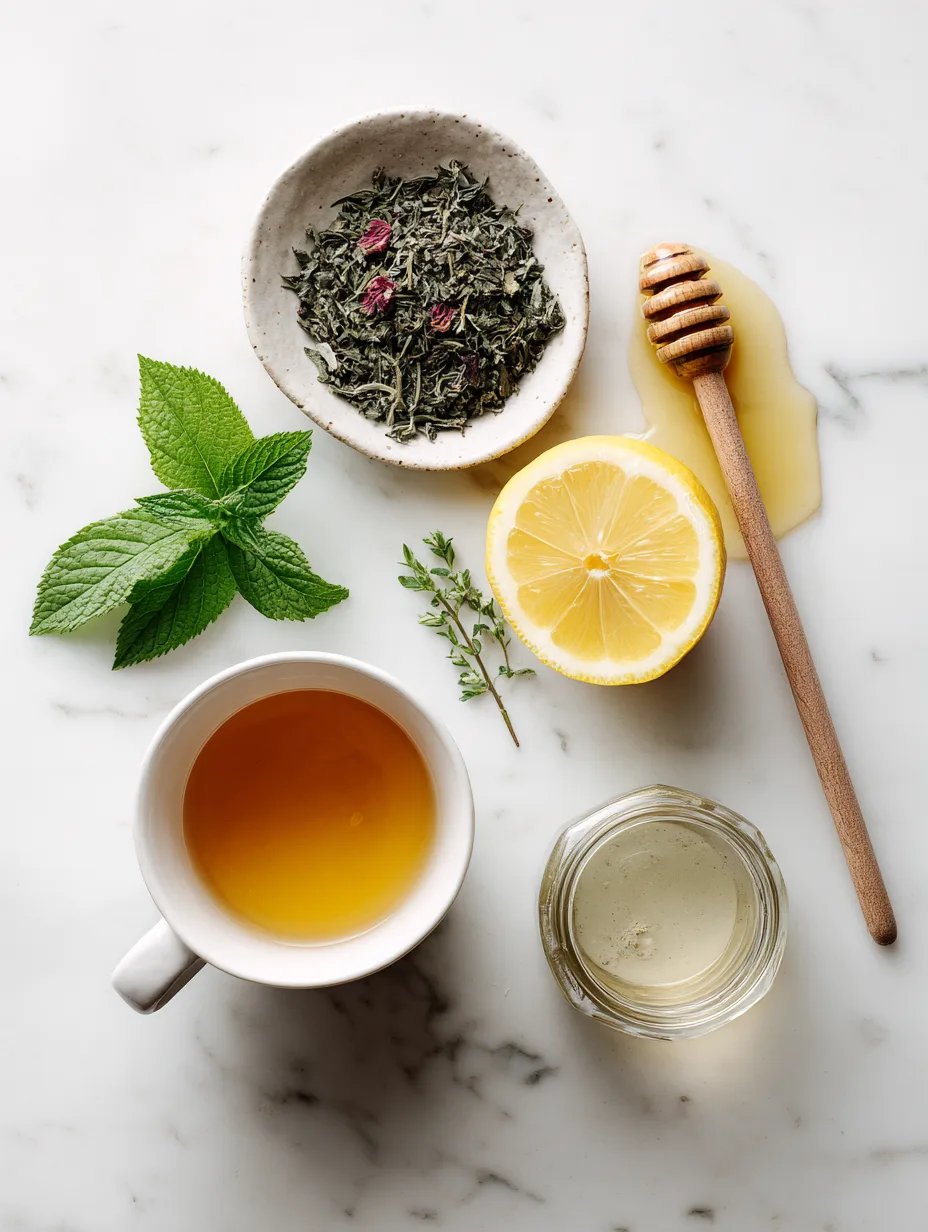
The Botanical Profile of This Herbal Remedy
Red raspberry leaf comes from Rubus idaeus, the same plant as summer berries. The leaves are packed with nutrients, including calcium and iron. This makes them a great supplement.
The best time to pick raspberry leaves is in spring, before they flower. At this time, they have the most nutrients. Look for young, bright green leaves without damage.
Choose leaves that are vibrant and intact. Avoid yellowed or damaged leaves, as they may not be as potent. Premium leaves, whether fresh or dried, ensure the best flavor and benefits.
Advantages of DIY Tea Preparation
Making your own raspberry leaf tea has many benefits. The biggest advantage is freshness and potency. Leaves you process yourself have more active compounds than store-bought tea.
It’s also cheaper. One raspberry plant can give you enough leaves for a year. Even buying dried leaves in bulk is cheaper than store-bought tea bags.
When you brew at home, you have full control. You can:
- Choose organic growing methods without pesticides
- Avoid unnecessary additives and preservatives
- Adjust strength and flavor to your personal preferences
- Ensure proper harvesting and drying techniques
By making your own tea, you connect more deeply with herbal remedies. Harvesting, drying, and brewing your own leaves teaches you about natural wellness. It’s a hands-on way to learn.
Comparing Fresh and Dried Leaf Options
Fresh and dried raspberry leaves both make great tea, but they differ. Knowing these differences helps you choose the best option for you.
Fresh leaves are best for immediate use and have the most vitality. They offer a delicate flavor but require more leaves per cup. You’ll need about 7 to 10 leaves per cup.
Fresh leaves are best when you have access to raspberry plants. They lose potency quickly, so use them within hours. This is ideal for gardeners who want to enjoy seasonal tea.
Dried leaves are convenient and consistent, making them great for any time of year. They have concentrated nutrients, so you only need 1 teaspoon per cup. This ensures consistent flavor with each brew.
| Characteristic | Fresh Leaves | Dried Leaves |
|---|---|---|
| Amount per cup | 7-10 whole leaves | 1 teaspoon |
| Storage duration | Use within hours | Up to 1 year |
| Flavor profile | Delicate, grassy | Stronger, earthier |
| Availability | Seasonal only | Year-round |
Dried leaves last longer, up to one year, if stored properly. This makes them the preferred choice for most. The flavor is stronger, like green tea.
Your choice between fresh and dried depends on what’s available and your taste. Many enjoy fresh leaves in summer and switch to dried for the rest of the year. Either way, you’ll enjoy the benefits of this natural tea.
Now that you understand the basics of raspberry leaf tea, let’s explore the ingredients and tools you need to prepare it perfectly at home.
Essential Raspberry Leaf Tea Ingredients and Supplies You’ll Need
Making great raspberry leaf tea is easy with just a few ingredients and simple tools. You don’t need fancy stuff to brew a delicious cup at home. This guide will show you what ingredients to get and the brewing supplies you’ll need.
The ingredient list is short and sweet. You can find most items at your local grocery or health food store. Specialized equipment is available online or at tea shops.
Where to Buy Quality Dried Raspberry Leaves
Finding high-quality dried raspberry leaves is key to making great tea. You have several good options for getting your main ingredient.
Health food stores and natural grocers often have organic dried raspberry leaves. They have bulk herb sections or tea aisles where you can check the product and ask questions.
Online herbal suppliers offer a wide selection and detailed info on harvesting and origin. Mountain Rose Herbs, Starwest Botanicals, and Frontier Co-op are popular choices. They have both small samples and bulk quantities at good prices.
Tea specialty shops in your area may carry raspberry leaf tea. The staff there can give you expert advice on tea quality.
When looking at dried raspberry leaves, check for these quality signs:
- Bright green color means freshness
- Fresh herbal aroma should smell pleasant and earthy, not stale
- Whole or cut leaves are better than powdered for flavor
- Organic certification ensures purity and avoids pesticides
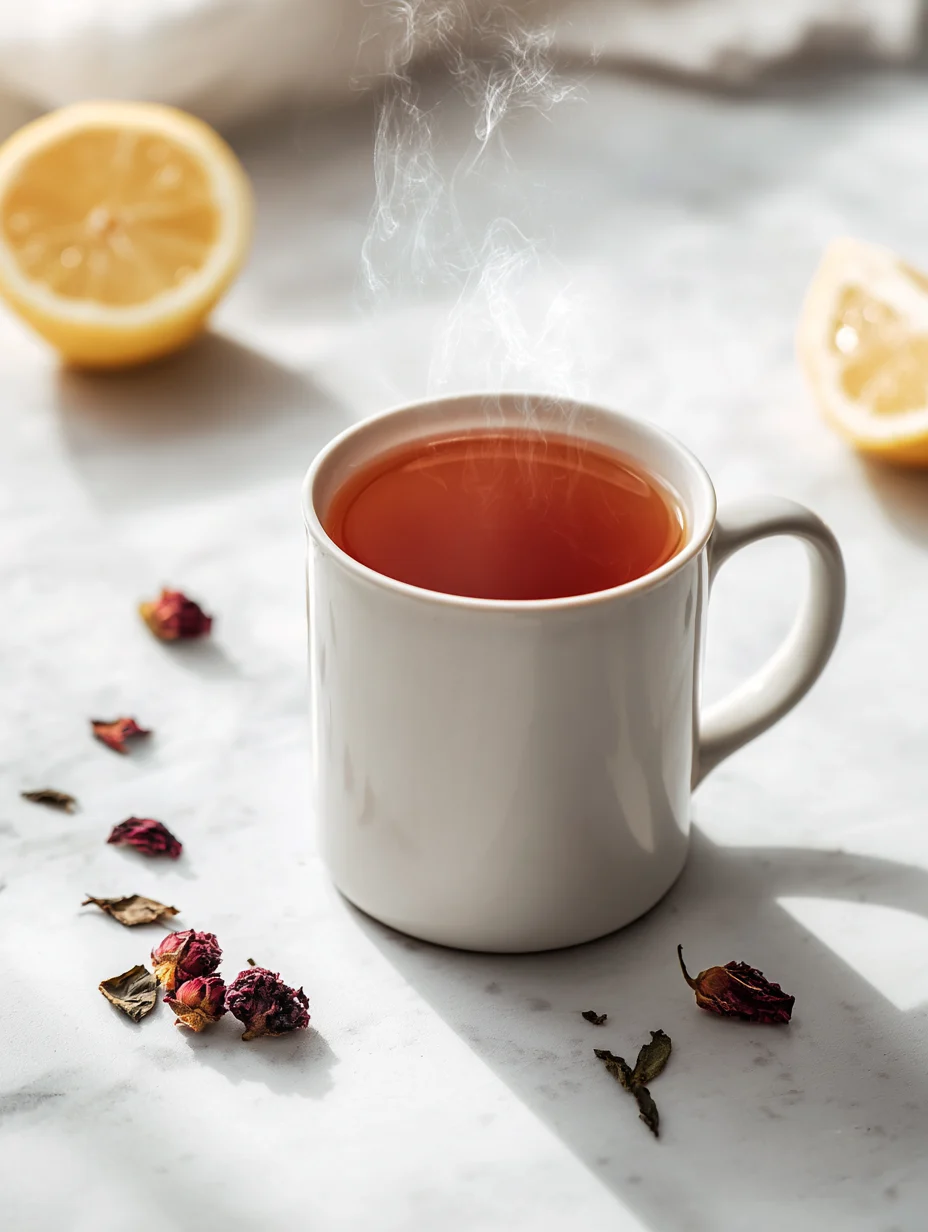
Required Tools and Equipment
The tea brewing supplies you need are simple and practical. Many people already have these items in their kitchen.
For basic raspberry leaf tea, you’ll need these tools:
- Heat source like an electric kettle or stovetop kettle
- Teapot or brewing vessel with a built-in strainer
- Tea strainer if your teapot doesn’t have one
- Measuring spoons for the right amount (1 teaspoon per cup)
- Cups or mugs for serving
For medicinal-strength tea, you’ll need different equipment:
- Wide-mouth quart jar for larger quantities
- Two-piece canning lid to seal the jar
- Cheesecloth or fine-mesh strainer for filtering
- Kitchen scale to measure one ounce of leaves per quart of water
Optional tools include a food thermometer and a timer. These help you get consistent results with every batch.
Optional Ingredients for Customization
You can enhance your raspberry leaf tea with optional ingredients. These let you personalize each cup to your liking.
Natural sweeteners like honey, maple syrup, or sugar balance the flavor. Start with half a teaspoon and adjust to taste.
Fresh or dried fruits add complexity and look great. Muddled raspberries or dried raspberries bring tartness, while pineapple juice adds tropical notes.
Citrus additions like lemon, lime, or orange zest add refreshing acidity. Add a thin slice or squeeze directly into your cup.
Complementary herbs like mint, chamomile, or hibiscus create interesting flavors when blended with raspberry leaves. Mint adds coolness, chamomile is sweet, and hibiscus is tart and colorful.
| Ingredient Type | Examples | Suggested Amount per Cup | Flavor Impact |
|---|---|---|---|
| Dried Raspberry Leaves | Organic loose leaf | 1 teaspoon | Earthy, mild, slightly fruity |
| Fresh Raspberry Leaves | Home-harvested or farmer’s market | 7-10 leaves | Lighter, more delicate flavor |
| Sweeteners | Honey, maple syrup, sugar | ½-1 teaspoon | Balances earthiness, adds smoothness |
| Citrus | Lemon juice, lime zest | 1 teaspoon juice or ¼ teaspoon zest | Brightness, acidity, freshness |
| Fruits | Fresh or dried raspberries | 5-8 berries muddled | Berry sweetness, tartness |
Remember, using the right amounts of raspberry leaf tea ingredients is key. This ensures balanced flavor and proper strength. Start with the basic recipe before trying customizations to understand the tea’s natural taste.
Step-by-Step Raspberry Leaf Tea Recipe
Transforming dried or fresh raspberry leaves into a tasty herbal drink is easy. This recipe takes just minutes and always yields great results. Follow these steps to get the full flavor and health benefits without bitterness.
The brewing process has four simple stages. Each stage is key to a perfect cup of tea.
This raspberry leaf tea recipe is perfect for beginners and can be made in just a few minutes.
Measure the Correct Amount of Raspberry Leaves
Start with the right amount of leaves for a balanced cup. The amount varies based on whether you use dried or fresh leaves.
For dried raspberry leaves, use 1 teaspoon per 8-ounce cup of water. This ratio gives the best flavor and strength. Always use a standard measuring spoon for consistency.
For fresh raspberry leaves, you need 7-10 young leaves per cup. Fresh leaves have more water and less flavor, so you need more. Choose bright green, tender leaves from the top for the best taste.
- Stronger tea: Add an extra half teaspoon of dried leaves or 2-3 more fresh leaves
- Lighter infusion: Reduce the amount by about one-quarter
- Multiple cups: Multiply the base measurements by the number of servings you want
Heat Water to the Proper Temperature
Water temperature is critical for brewing raspberry leaf tea. Raspberry leaves are delicate and need careful heat.
Start by boiling your water. Once boiling, remove it from heat and let it rest for 1-2 minutes. This cools it to about 190-200°F.
Why is this important? Boiling water can scorch the leaves. This makes the tea bitter and can damage health benefits.
Following these temperature guidelines ensures smooth flavor extraction. The cooler water brings out the natural taste and minerals without harsh notes.
Steep Your Tea for Optimal Flavor
The steeping phase is when the magic happens. This is when the water extracts flavors, color, and health benefits from the leaves.
Put your measured leaves in a tea infuser, strainer basket, or directly in your teapot. If using a glass teapot, fill the basket halfway to allow for leaf expansion.
Pour the heated water over the leaves and start timing. Steep for 5-6 minutes for the best results. This time allows for complete extraction without over-steeping.
During steeping, the water will change color. It will turn from clear to golden or amber. This shows the extraction is working well.
Avoid steeping longer than recommended. Longer steeping times can make the tea bitter and astringent, overpowering its natural flavor.
Strain and Serve Your Tea
The final step is to strain your tea and enjoy it. Proper straining ensures a clean cup without leaf particles.
If you used an infuser basket, lift it out of the teapot. The basket holds all the spent leaves, making cleanup easy. For loose leaves brewed directly in the pot, pour the tea through a fine-mesh strainer into your cup.
Your freshly brewed raspberry leaf tea is now ready. It should have a pleasant amber color and a mild, earthy aroma.
Consider these serving options:
- Plain: Enjoy the natural flavor without additions
- Sweetened: Add honey, sugar, or your preferred sweetener to taste
- Enhanced: Include a slice of lemon or fresh mint for extra flavor
The tea tastes best when consumed fresh and warm. You can also let it cool to room temperature if you prefer a less hot beverage. This complete red raspberry leaf tea recipe gives you a reliable method for brewing perfect cups whenever you want them.
How to Make Iced Raspberry Leaf Tea
Making iced raspberry leaf tea is a great way to enjoy this healthy drink all year. You can make it overnight or quickly cool it down. Both ways keep the good stuff in and offer different tastes.
Iced raspberry leaf tea is versatile and cool. You can drink it plain or add things to make it fancy. It’s also less bitter than hot tea.
Cold Brew Method for Smooth Flavor
The cold infusion method makes the smoothest cold brew raspberry tea. It gets rid of bitterness and keeps the good stuff. The result is a sweet and refreshing drink.
Start with one ounce by weight of dried raspberry leaves. Put them in a wide-mouth quart jar. Make a cheesecloth hammock at the top and secure it with a metal lid ring.
Pour cold water over the leaves slowly. This makes sure all the leaves get wet.
Wrap the cheesecloth over the lid and screw it on. This keeps the leaves in while letting water move around. Put the jar in the fridge for 8 to 12 hours.
In the morning, squeeze the cheesecloth to get all the tea. This tea is full of nutrients and can last up to 48 hours in the fridge. It’s strong and good for you.
Quick Iced Tea Using the Hot Brew Method
If you’re short on time, the hot brew method is fast. It uses heat to extract flavors quickly, then cools it down fast.
Use double the normal amount of leaves. This makes the tea strong enough when you add ice. Use two teaspoons of dried leaves per cup or two tea bags.
Heat water to 200°F and pour it over the leaves. Let it steep for 5 to 6 minutes. This gets the most flavor out of the leaves.
Strain the leaves and let the tea cool down. Don’t put hot tea in the fridge. Once it’s cool, put it in the fridge for 2 to 3 hours.
Best Practices for Serving Iced Raspberry Leaf Tea
How you serve your chilled herbal tea makes a big difference. Fill glasses with ice and pour the tea over it. This makes the drink cold and looks good.
Add lemon slices or fresh mint to make it taste better and look nice. Lemon adds a bright flavor, and mint adds aroma and color.
Sweeten your iced raspberry leaf tea to taste. Honey works best when the tea is a bit warm. Simple syrup is smooth in cold drinks.
| Method | Preparation Time | Flavor Profile | Best For |
|---|---|---|---|
| Cold Brew | 8-12 hours | Smooth, sweet, less astringent | Medicinal strength, planned preparation |
| Hot Brew | 2-3 hours total | Bold, concentrated, traditional | Quick preparation, immediate needs |
| Mocktail Mix | 15 minutes | Fruity, effervescent, complex | Social gatherings, special occasions |
Turn your chilled herbal tea into fancy mocktails. Mix it with pineapple juice, add raspberries, and lemon juice. Sweeten with honey and top with sparkling water for fun.
This “Push Punch” mocktail is perfect for parties. It’s fruity and refreshing, with the tea’s benefits. Serve it over ice with a raspberry garnish for a fancy look.
How to Make Raspberry Leaf Tea Taste Good
Raspberry leaf tea has a subtle, earthy taste that not everyone likes at first. But, with the right touches, it can become a delightful drink. You can make it tasty by using sweeteners, fresh ingredients, and the right brewing methods. The secret to improving tea flavor is knowing how these elements work together.
Many people find raspberry leaf tea too mild or grassy. But, making a few simple changes can greatly improve its taste. These changes don’t harm the tea’s health benefits.
Choosing the Right Sweeteners
Natural sweeteners are better than refined sugar for raspberry leaf tea. Each sweetener adds its own special touch to the tea.
Light honey, like clover or wildflower, adds a floral taste without overpowering the tea. Honey dissolves well in warm tea, adding a sweet flavor that enhances the tea’s taste.
Maple syrup adds a warm, complex sweetness with a hint of minerals. It’s great if you like a richer tea flavor.
Other sweetener options include:
- Coconut sugar gives a caramel-like taste with a hint of molasses
- Stevia is a zero-calorie sweetener for those watching their sugar intake
- Simple syrup dissolves well in both hot and cold tea
Start with 1 teaspoon of your chosen sweetener per cup. Adjust to taste. Adding sweetener while the tea is warm helps it dissolve better and blend with the flavor.
Adding Citrus and Fresh Herbs
Adding botanicals like citrus and herbs makes raspberry leaf tea more interesting. These additions turn the basic tea into something special.
Fresh lemon juice from half a lemon per cup adds a zesty brightness. It balances the earthiness of the tea and adds a refreshing touch.
Fresh mint leaves add a cooling, refreshing quality. Add 3-4 leaves to your cup during steeping for a tea taste enhancement.
Other botanicals that work well include:
- Lemon balm adds subtle citrus notes with a calming effect
- Orange or lime slices add visual appeal and aromatic oils
- Fresh ginger adds a warm spice and complexity
These ingredients not only improve taste but also add health benefits. You can mix and match to find your favorite flavor.
Balancing Flavor Through Steeping Time
Steeping time greatly affects the taste of your tea. Knowing this helps avoid flavor problems.
Under-steeping for less than 5 minutes results in weak, watery tea. The tea’s beneficial compounds haven’t been fully extracted.
The optimal steeping window of 5-6 minutes brings out the full flavor and benefits. This time ensures balanced tea that’s neither too weak nor too strong.
Steeping for more than 8 minutes makes the tea bitter and astringent. The longer steeping releases harsh tannic compounds.
Using a timer helps maintain consistency and prevents bitterness. This simple habit greatly improves your brewing routine.
Temperature Considerations for Better Taste
Water temperature is key to making raspberry leaf tea taste good. Getting it right prevents common taste issues.
Fully boiling water burns the leaves, making the tea bitter. This heat damages the plant compounds and releases unpleasant flavors.
The ideal temperature of 190-200°F produces smooth, sweet tea. To achieve this, let the water cool for 1-2 minutes before pouring it over the leaves.
This cooler temperature preserves the tea’s subtle flavors and prevents bitterness. You’ll notice the tea tastes cleaner and more enjoyable.
These four factors work together to make raspberry leaf tea delicious. With the right sweetener, fresh citrus or herbs, proper steeping time, and water temperature, you’ll enjoy drinking it every time. Mastering these techniques ensures consistent, enjoyable results every time you brew.
What to Mix with Raspberry Leaf Tea for Enhanced Flavor
Raspberry leaf tea has a mild, earthy taste. It’s great for mixing with other flavors. This lets you make your tea just how you like it, every day.
Tea blending keeps your routine exciting. You can choose from herbal, caffeinated, fruity, or spicy options. Each adds something special to your tea.
Complementary Herbal Tea Blends
Mixing herbal teas with raspberry leaf boosts health benefits. Nettle leaf adds minerals and a grassy taste. It makes the tea more nutritious.
Red clover blossoms add sweetness and extra nutrients. Passionflower brings calm and a floral taste. It pairs well with raspberry leaf.
Chamomile adds apple-like notes and relaxation. Peppermint cools and aids digestion. You can mix these herbs with raspberry leaf to create your own blends.
Combining with Black, Green, or White Tea
Blending raspberry leaf with caffeinated teas adds energy and antioxidants. Green tea makes a drink full of antioxidants and gentle caffeine. It’s great for morning or midday.
White tea adds sweetness and complexity. Black tea gives strong flavor and caffeine for a morning boost. It’s perfect for those switching from coffee.
Oolong tea offers a mix of green and black tea qualities. Start with 1 part oolong to 2 parts raspberry leaf. This gives you caffeine and raspberry leaf’s benefits without too much flavor.
Adding Fresh or Dried Fruits
Fruits can turn raspberry leaf tea into a vibrant drink. Muddled raspberries add berry flavor and color. Use half a cup for a strong berry taste.
Dried raspberries add tartness with just a few pieces. Pineapple juice adds tropical sweetness. Mix 1/3 cup pineapple juice with raspberry leaf tea for a refreshing drink.
Fresh strawberries and apple pieces add sweetness and body. Lemon juice and honey or maple syrup balance the taste. For a fizzy drink, add sparkling water or ginger ale.
| Mixing Category | Best Ingredients | Recommended Ratio | Flavor Profile |
|---|---|---|---|
| Herbal Blends | Nettle, peppermint, chamomile | 1:1 with raspberry leaf | Earthy, refreshing, calming |
| Caffeinated Teas | Green tea, black tea, oolong | 1 part tea to 2 parts raspberry leaf | Complex, energizing, antioxidant-rich |
| Fruit Additions | Fresh raspberries, pineapple juice, dried fruits | 1/3 cup juice or 1/2 cup muddled fruit per serving | Sweet, tart, vibrant |
| Warming Spices | Ginger, cinnamon, cardamom | 1 stick or 1/4 teaspoon per cup | Spicy, warm, aromatic |
Spices That Pair Well with Raspberry Leaf
Warming spices add depth and health benefits. Ginger adds spicy warmth and aids digestion. It’s great for cold weather.
Cinnamon sticks add sweet-spicy flavor for cooler weather. One cinnamon stick per cup adds warmth without overpowering the tea. Cardamom pods offer exotic warmth for a sophisticated taste.
Vanilla extract or vanilla bean adds creamy sweetness. Star anise adds licorice-like complexity. These spices are perfect for hot tea and can make it taste like a restaurant drink.
Many raspberry leaf teas have hibiscus for color and sweetness. But this changes the taste a lot. Knowing what to mix with raspberry leaf tea lets you control the taste and nutrition.
Raspberry Leaf Tea Storage and Brewing Best Practices
Knowing how to store tea is key to keeping dried raspberry leaves fresh. The way you store your leaves and brewed tea affects their taste, strength, and safety. By following safe tea practices, you ensure the best taste every time you make a cup.
Keeping Your Dried Leaves Fresh and Potent
Your dried raspberry leaves need protection from things that can break down their good stuff. Store them in airtight glass jars with tight-fitting lids to keep out moisture and air. Mason jars are great for storing herbs and look nice in your kitchen.
Where you store them is important too. Keep them in a cool, dark spot away from sunlight. Sunlight can damage the leaves’ active compounds. A pantry, cupboard, or drawer is a good place.
Moisture is the biggest enemy of dried herbs. Even a little humidity can cause mold. Make sure your storage area is dry and away from steam sources.
Whole dried leaves stay potent longer than ground ones. It’s better to grind your leaves in small batches as needed. This way, you get a stronger flavor and more benefits than from old, ground leaves.
Dried raspberry leaves stay good for one to two years. But they’re at their best in the first year. Check your leaves every few months for signs of spoilage:
- Faded or brown color instead of vibrant green
- Musty or moldy odor
- Visible moisture or mold spots
- Brittle texture that crumbles to dust
Dried leaves shrink a lot during drying. So, harvest more leaves than you think you’ll need for a steady supply.
Safe Handling of Prepared Tea
After brewing, it’s important to handle your tea safely. Freshly brewed hot raspberry leaf tea tastes best when consumed within two to four hours at room temperature. If you can’t drink it right away, put it in the fridge.
Tea stays good and safe in the fridge for up to 48 hours. Use a sealed glass container and keep your fridge at 40°F (4°C) or below. This rule applies to both hot-brewed tea that’s cooled down and cold-brew.
Watch for signs of spoilage in your tea. Throw away any tea that shows these signs:
- Strange or sour odors
- Cloudy or murky appearance
- Slimy texture or film on the surface
- Visible mold growth
Glass containers keep your tea’s flavor better than plastic. Don’t leave brewed tea out for too long, as bacteria grow fast in warm weather.
Getting Multiple Infusions from Your Leaves
You can steep raspberry leaves a second time for a milder taste. This way, you get more value from your herbs and waste less. The second steep is gentler and some people like it better.
Adjust your brewing parameters for the second infusion. Use hotter water and steep for one to two minutes longer than the first time. This brings out more of the leaves’ good stuff.
The second infusion has less potency and flavor than the first. For health benefits, use fresh leaves each time. But for just enjoying a cup, the second steep is fine.
Common Mistakes to Avoid When Making Raspberry Leaf Tea
Making raspberry leaf tea can go wrong if you ignore key steps. Knowing tea brewing mistakes helps you make tasty tea. Many beginners make mistakes that affect taste and quality.
Knowing what not to do is as important as knowing how to make tea. Here are tips to avoid mistakes that make tea bitter, weak, or not brewed right.
Steeping Too Long Creates Bitterness
Steeping for too long is a common mistake. It makes the tea bitter and unpleasant. Raspberry leaves should steep for five to six minutes for the best flavor.
Set a timer when steeping your tea. Remove the leaves quickly to stop more bitterness from getting into the tea.
To make stronger tea, use more leaves, not longer steeping. Two teaspoons of dried leaves per cup gives strong flavor without bitterness.
Using Boiling Water on Delicate Leaves
Using boiling water on raspberry leaves is a mistake. It damages the leaves. Raspberry leaves need gentler water than black tea.
Boiling water can burn the leaves, ruining the flavor. It also releases bitter elements. Use water between 190°F and 200°F (88-93°C) for the best taste.
Let the water cool for one to two minutes before pouring. This makes a big difference in taste. It extracts flavor gently and keeps the tea pleasant.
Getting the Leaf-to-Water Ratio Wrong
Using the wrong amount of leaves is a big mistake. It affects flavor and effectiveness. The right balance is key.
Too few leaves make the tea weak and tasteless. Less than one teaspoon per cup is not enough. It lacks flavor and benefits.
Too many leaves make the tea too strong and bitter. More than two teaspoons per cup is too much. It wastes leaves and makes the tea unbalanced.
The best ratio is one teaspoon of dried leaves per eight ounces of water. For fresh leaves, use seven to ten leaves per cup. This makes the tea balanced and flavorful.
Always measure the leaves for consistent results. Keep measuring spoons with your tea for convenience and accuracy.
Safety Precautions and Consumption Guidelines
Knowing about raspberry leaf tea safety is important. It’s safe for most people but caution is needed in some cases.
Some groups should talk to a doctor before drinking it:
- Pregnant women, specially in early stages
- People on certain medications
- Those with hormone-sensitive conditions
- Anyone allergic to raspberries or related plants
Raspberry leaf tea is a traditional herbal remedy, not medicine. It’s not a substitute for medical advice or diagnosis.
Healthy adults can have one to three cups a day. Start with small amounts to see how you react. Raspberry leaf tea safety also depends on listening to your body.
Stop drinking it if you have bad reactions. Digestive issues, allergies, or other problems mean you should stop and see a doctor.
Remember, using medicinal plants is based on shared experiences, not medical claims. Raspberry leaf is often used as a uterine tonic during pregnancy. But, talk to a doctor who knows your health situation.
Conclusion
You now know how to make tasty homemade raspberry leaf tea. This process connects you to traditional herbal tea making. It also lets you control the ingredients and quality.
To make this healthy drink, you need dried leaves, hot water, and 5-6 minutes of steeping. You can buy organic leaves or pick them from your garden. Both ways give you the benefits you want.
Start with a simple hot tea. As you get better, try iced tea, add honey or lemon, or mix with other herbs. Each time you make tea, you learn more about what you like.
By making your own tea, you save money and get a fresher taste. You can choose organic leaves for the best quality.
This tea is great for any time of day. It’s good for its minerals, taste, or as part of your health routine. You now know how to make it right.
Your herbal tea adventure starts with your first cup. Get your things ready, measure the leaves, heat the water, and steep with confidence. You’re all set to make great raspberry leaf tea.
Raspberry Leaf Tea: Easy Recipe, Benefits & How to Make It at Home
Ingredients
- 1 teaspoon dried raspberry leaves or 1 tea bag
- 1 cup 240 ml filtered water
- Optional: honey or maple syrup to taste
- Optional: fresh lemon slice or mint leaves for serving
Instructions
- Measure your dried raspberry leaves — about 1 teaspoon per cup — or place one tea bag into your infuser or teapot.
- Heat water to 90–95°C (195–205°F). Avoid a full rolling boil to preserve delicate flavor compounds.
- Pour the hot water over the leaves and steep for 5 to 10 minutes depending on your desired strength.

- Strain the tea through a fine mesh strainer into your cup, removing all leaves.
- Sweeten with honey or maple syrup if desired, and garnish with a lemon slice or fresh mint. Serve immediately.
Notes
FAQ
What does raspberry leaf tea taste like?
Raspberry leaf tea has a mild, earthy flavor similar to green tea, with subtle herbal notes.
How long should I steep raspberry leaf tea?
Steep for 5-6 minutes for the best flavor. Less than 5 minutes makes the tea weak, while more than 8 minutes makes it bitter.
How do I make iced raspberry leaf tea?
For cold brew, use 1 ounce of dried leaves in a quart jar with cold water and refrigerate for 8-12 hours. For a quick method, brew a strong hot tea then chill it in the fridge.
Is raspberry leaf tea caffeine-free?
Yes, raspberry leaf tea is naturally caffeine-free, making it a great option for daily consumption, including in the evening.
How long does brewed raspberry leaf tea last in the refrigerator?
Hot tea lasts 2-4 hours at room temperature. Cold-brewed tea stays good for 48 hours in the fridge. Always use glass containers for the best flavor.
Is raspberry leaf tea safe for everyone to drink?
Most healthy adults can drink it in moderation. However, pregnant women, people on medication, and those with allergies should consult a healthcare provider before consuming it regularly.
Looking for more ideas? Browse all tea drink recipes on the site — hot, iced, sparkling, and mocktail styles.