
The fruit drink category is deceptively simple. Fruit, water, sometimes a blender. But the difference between a good agua fresca and a watery, flavorless one comes down to ratio. The difference between a smoothie that actually fills you up and one that goes down in thirty seconds comes down to what’s in it. These details matter, and most recipe pages skip them.
This is the hub for every fruit drink recipe on the site — fresh juices, smoothies, agua fresca, lemonades, fruit punch, and sparkling fruit drinks. Each section has the recipes plus the technique context that makes them work. I’ve made enough thin smoothies and bland punches to know where most people go wrong.
If you’re new to making drinks from fresh fruit, start with the technique guide further down. It covers the three core methods — juicing, blending, and infusing — and when each one is actually worth the effort.
Fresh Fruit Juices
Cold-pressed juice and blended juice are not the same drink. Cold pressing extracts only the liquid — no fiber, no pulp, just concentrated fruit flavor. Blending keeps everything in. Which one is better depends entirely on what you want from it.
For citrus — orange, grapefruit, lemon, lime — fresh-squeezed is always worth it. The difference between fresh-squeezed orange juice and carton juice is not subtle. For softer fruits like watermelon, mango, or peach, a blender works fine and you keep more of the fruit’s body in the glass.
The ratio that works across most soft fruits: 2 cups of chopped fruit to 1 cup of cold water. Blend, strain if you want it clear, sweeten lightly if needed. That’s the base for most fresh fruit juices — everything else is just the specific fruit.
- kiwi juice recipe — 5 Quick Steps to Amazing Fresh Juice
- Nelli fruit juice recipe — 1 Simple Recipe, Amazing Results
- juicing cactus fruit — 5 Proven Steps for Vibrant Juice
- Jungle Juice Recipe — Tangy, Bright, and Ready in 5 Minutes
- Watermelon Juice — coming soon
- Fresh Orange Juice — coming soon
- Mango Juice — coming soon
- Green Juice — coming soon
Smoothies
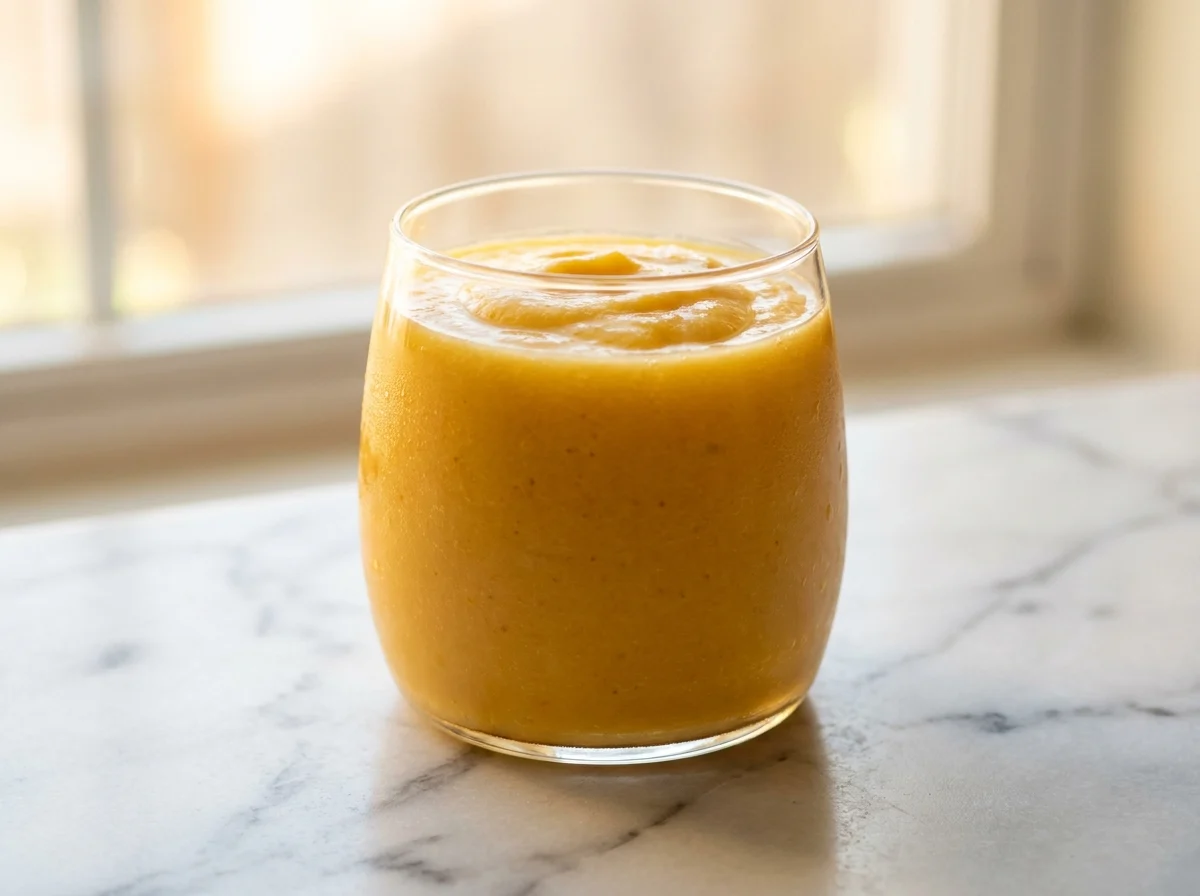
A smoothie that actually works has three things: a frozen element for thickness, a liquid base that doesn’t water it down, and enough substance to make it filling. Most bad smoothies are missing one of these.
The frozen element is non-negotiable. Fresh fruit only produces a thin, room-temperature drink that separates fast. Frozen fruit — or fresh fruit plus ice — gives you the texture. Frozen banana is the best thickener for most smoothies: neutral flavor, creamy result, and it makes everything feel more substantial than it is.
My base ratio: 1 cup frozen fruit, ½ frozen banana, ½ to ¾ cup liquid. Coconut water if you want tropical, oat milk if you want something richer, plain water if the fruit is strong enough to carry it. Blend until smooth, add more liquid if it won’t move. That ratio scales up without changing anything.
- Strawberry Banana Smoothie — coming soon
- Tropical Fruit Smoothie — coming soon
- Mixed Berry Smoothie — coming soon
- Mango Pineapple Smoothie — coming soon
Agua Fresca
Agua fresca is the drink I make more than any other in this category. It’s lighter than juice, more interesting than water, and takes about five minutes to put together. The name translates to fresh water — that’s exactly what it is. Fruit blended with cold water, strained, with a little lime and sweetener to pull it together.
The ratio matters more here than anywhere else in this category. Too little fruit and it tastes like flavored water. Too much and it’s closer to juice. The sweet spot: 2 cups of chopped fruit per 4 cups of cold water. Blend, strain through a fine mesh strainer, add juice of half a lime and a tablespoon of sugar or honey. Adjust both to taste — different fruits need different amounts of acid and sweetness to come alive.
Hibiscus is the one I keep coming back to. It has a tartness that most fruits can’t match, the color is dramatic, and it holds up in the fridge for three days without losing anything. Cucumber is worth knowing too — mild, clean, pairs well with mint and lime in summer.
- Watermelon Agua Fresca Recipe — blended watermelon, lime, 4 ingredients, 10 minutes
- Hibiscus Agua Fresca — coming soon
- Cucumber Lime Agua Fresca — coming soon
- Pineapple Strawberry Agua Fresca — coming soon
Lemonades & Spritzers
Fresh lemonade has a shorter ingredient list than most people expect: lemon juice, simple syrup, cold water. The version that actually tastes good uses fresh-squeezed juice — not bottled — and syrup made from equal parts sugar and water so the sweetness dissolves completely instead of sitting on the bottom of the glass.
The ratio I use: ½ cup fresh lemon juice, ¼ cup simple syrup, 3 cups cold water. Tart, not sweet — adjust the syrup up if you want it sweeter. Adding other fruits changes the character completely. Strawberry lemonade is the obvious one, but blueberry lavender and peach ginger are worth trying if you want something less expected.
Spritzers are just lemonade with some of the water replaced by sparkling. Mix the base with still water first, then top individual glasses with sparkling when serving. If you add sparkling to the whole pitcher it goes flat before anyone gets a second glass.
- Classic Fresh Lemonade — coming soon
- Strawberry Lemonade — coming soon
- Blueberry Lavender Lemonade — coming soon
- Peach Ginger Spritzer — coming soon
Fruit Punch & Party Drinks
Fruit punch looks like a simple thing to pull off and then somehow goes wrong half the time. Too sweet, too watery, flat by the time anyone gets a glass. The fix is treating it like a concentrate: make the base twice as strong as you think you need, then dilute at serving time.
The approach that works: mix your juices — pineapple, cranberry, orange, whatever combination you’re using — without any sparkling element. Refrigerate the whole thing up to a day ahead. When it’s time to serve, combine 2 parts base with 1 part cold ginger ale or sparkling water directly in glasses or the punch bowl. The carbonation stays in the drink instead of dying in a flat pitcher sitting out for an hour.
Float thin slices of citrus on top for garnish. They look good and add a small amount of flavor as they sit. Frozen fruit works better than ice for keeping punch cold without diluting it.
- Non-Alcoholic Fruit Punch — coming soon
- Tropical Party Punch — coming soon
- Cranberry Citrus Punch — coming soon
Sparkling Fruit Drinks
Sparkling fruit drinks are the easiest upgrade in this category. Take any juice or agua fresca base, chill it completely, combine with sparkling water at a 1:1 ratio just before serving. Lighter than juice, more interesting than plain sparkling water, and ready in thirty seconds.
One rule that matters: always add sparkling water to the fruit base, not the other way around. Pouring the base onto sparkling water kills the carbonation immediately. Add it gently, stir once, serve.
For more depth, a homemade soda base like ginger bug adds natural fermentation and complexity that sparkling water alone can’t produce. More work, but a genuinely different drink.
- Sparkling Watermelon Drink — coming soon
- Sparkling Mango Lemonade — coming soon
- Sparkling Hibiscus Fruit Drink — coming soon
How to Turn Any Fruit Into a Drink
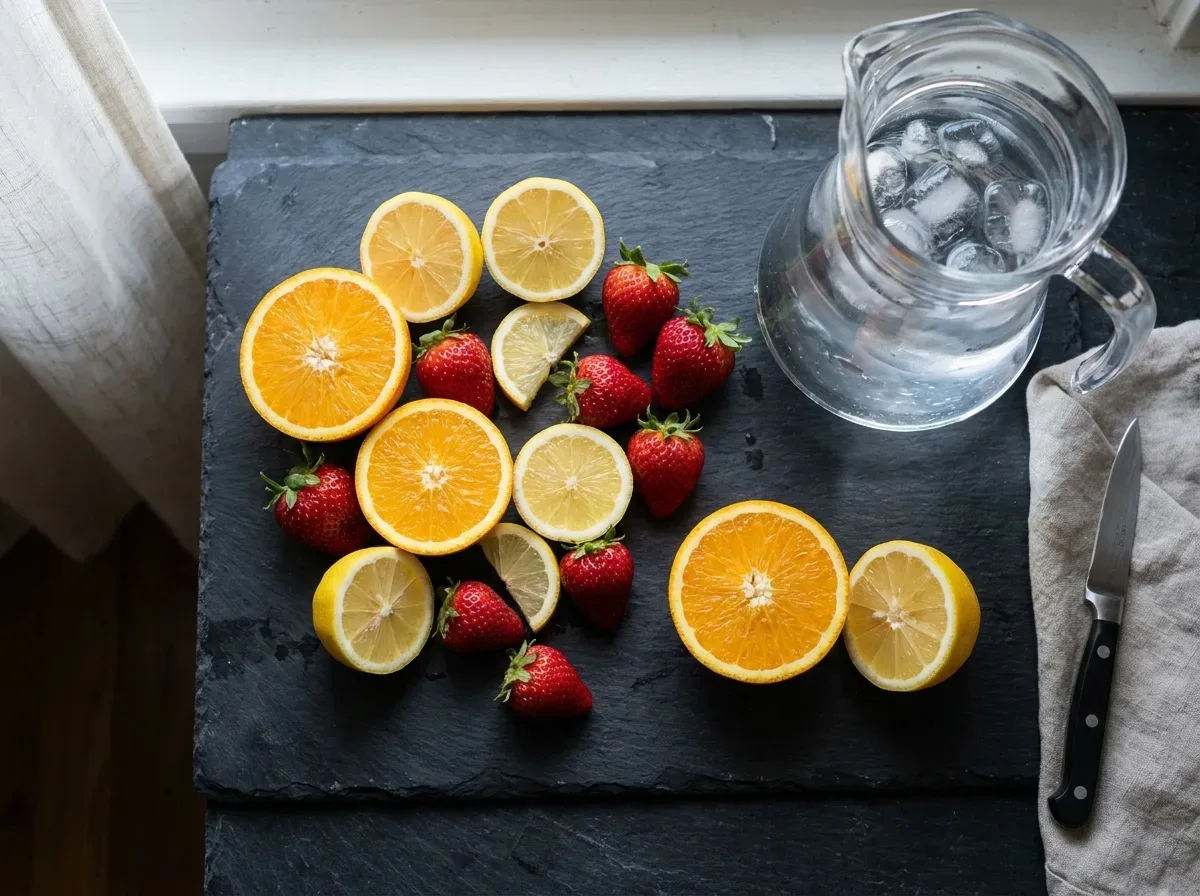
Every fruit drink starts with one of three methods: juicing, blending, or infusing. Picking the right method before you start saves a lot of bad batches.
Juicing vs. Blending vs. Infusing
| Method | Best For | Result | Equipment |
|---|---|---|---|
| Juicing | Citrus, hard fruits (apple, beet) | Clear, concentrated, no fiber | Juicer or fine mesh strainer |
| Blending | Soft fruits (mango, banana, berry, peach) | Thick, fiber-rich, opaque | Blender |
| Infusing | Delicate fruits (cucumber, raspberry, citrus peel) | Light, clear, subtle flavor | Pitcher + time (1–24 hours) |
Ratios That Work
These are starting points. Sweeter fruits need less sweetener; more acidic fruits need more water. Taste before serving and adjust one element at a time.
- Agua fresca: 2 cups fruit : 4 cups water : juice of ½ lime : 1 tbsp sweetener
- Smoothie: 1 cup frozen fruit : ½ frozen banana : ½–¾ cup liquid
- Lemonade: ½ cup lemon juice : ¼ cup simple syrup : 3 cups cold water
- Infused water: 1 cup sliced fruit : 8 cups cold water : 2–4 hours in fridge
Troubleshooting
Drink tastes watery: Not enough fruit, or the fruit wasn’t ripe. Ripe fruit has more sugar and more flavor — underripe fruit produces a pale, thin drink no amount of sweetener fixes. If your fruit isn’t ripe yet, roasting it briefly concentrates the flavor.
Smoothie too thin: Add more frozen banana or a small amount of frozen avocado. Both thicken without changing the flavor much. If you’re out of frozen fruit, a tablespoon of nut butter does the same thing.
Punch too sweet: Add acid. A squeeze of lemon or lime pulls most overly sweet punches back into balance immediately. Don’t add more water — it dilutes everything without actually fixing the sweetness.
Agua fresca turning brown: Some fruits — apple, pear, peach — oxidize quickly once blended. Add a small amount of lemon juice before blending. The acid slows oxidation significantly. Serve the same day.
Seasonal Fruit Drinks
Fruit drinks follow the produce calendar more than any other drink category. Using fruit in season makes a real difference — not for any philosophical reason, but because in-season fruit is sweeter, more flavorful, and cheaper. Out-of-season fruit produces a watery drink no ratio fixes.
Spring is strawberry and rhubarb territory. Strawberry lemonade when the first local berries show up is one of the best things you can make with minimal effort. Rhubarb is underused in drinks — cooked down with sugar into a syrup, it adds a tartness that no other fruit matches.
Summer is when this category makes the most sense. Watermelon, peach, mango, raspberry, blueberry — all at peak ripeness and cheap enough to use generously. Watermelon juice over ice is four ingredients and five minutes. Agua fresca is the other obvious move: cold, light, and easy to make in large quantities.
Fall brings apple, pear, and grape. Spiced apple juice — simmered with cinnamon, clove, and orange peel — is the obvious move. Cold-pressed apple with fresh ginger is worth trying if you want something less expected and better suited to a glass than a mug.
Winter is citrus season. Blood orange, pomelo, Meyer lemon — all at their best from December through February. Fresh citrus juice in winter is not the same drink as the same juice made from out-of-season fruit in August.
All Fruit Drink Recipes
Every fruit drink recipe on this site, organized by style.
Fresh Juices
Recipes in progress — use the 2:1 fruit-to-water ratio from the technique guide above while they’re being published.
Smoothies
The base ratio (1 cup frozen fruit, half a frozen banana, half a cup liquid) works with any fruit combination — the first full recipe using it is live below.
Lassi & Yogurt Drinks
Yogurt-based drinks are their own category, tangier and thicker than a smoothie and traditionally meant to cool down a spicy meal rather than replace breakfast. Full-fat yogurt is non-negotiable here — low-fat versions turn thin and sour instead of rich.
Agua Fresca
These pages are live — click through for full recipes, ratios, and storage notes.
- Strawberry Agua Fresca Recipe — freeze-able, lemon version included
- Watermelon Agua Fresca Recipe — 4 ingredients, 10 minutes, sugar-free with a ripe melon
Lemonades & Spritzers
Recipes in progress — see the lemonade ratio above to get started with fresh-squeezed now.
Party Punch
Recipes in progress — the concentrate method in the punch section above works for any juice combination.
Explore Related Categories
- Mocktail Recipes — non-alcoholic drinks for every occasion
- Homemade Soda Recipes — dirty sodas, ginger bug, Italian sodas, and more
- Tea Drink Recipes — iced teas, hot drinks, sparkling tea, and tea-based mocktails
Frequently Asked Questions
What is a fruit drink recipe?
A fruit drink recipe is any beverage made primarily from fresh, frozen, or blended fruit. This includes fresh-squeezed juices, smoothies, agua fresca, lemonade, fruit punch, and sparkling fruit drinks. The fruit can be the finished drink itself, or a base you build on with water, citrus, or sweetener.
What is the difference between agua fresca and juice?
Agua fresca is fruit blended with water, lime, and a small amount of sweetener — lighter than juice and meant to be refreshing rather than concentrated. Juice is extracted from fruit with most of the water content preserved and no water added. Agua fresca is closer to flavored water; juice is closer to concentrated fruit.
How do you make a smoothie thicker?
Add more frozen fruit or a frozen banana. Frozen banana is the best thickener — neutral in flavor, creamy in texture, and it makes the smoothie feel more substantial. If you’re out of frozen fruit, a tablespoon of nut butter or a small amount of frozen avocado works too.
What fruit makes the best juice at home?
Citrus — orange, grapefruit, lemon, lime — makes the best home juice because fresh-squeezed is dramatically better than anything from a carton. Watermelon is the easiest soft fruit to juice: blend, strain through a fine mesh strainer, done in five minutes. Avoid very fibrous fruits like pineapple without a proper juicer.
How do you keep fruit punch from going flat?
Make the punch base — juice, sweetener, any concentrated flavoring — without sparkling water. Refrigerate the base up to a day ahead. When serving, combine 2 parts punch base with 1 part cold sparkling water or ginger ale directly in glasses or the punch bowl. Never pre-mix the sparkling element into a pitcher that will sit out.
What is the easiest fruit drink to make at home?
Agua fresca. Chop two cups of ripe fruit, blend with four cups of cold water, strain through a fine mesh strainer, add lime juice and a tablespoon of sugar. Done in five minutes and works with almost any fruit you have. Watermelon is the easiest version — it barely needs straining and the flavor is immediately good.
How long do homemade fruit drinks last in the fridge?
Fresh juice and agua fresca last 2 to 3 days sealed in the fridge. Smoothies are best the same day — they separate and lose texture overnight. Lemonade concentrate (before adding water) keeps up to a week. Fruit punch base without the sparkling element keeps 2 to 3 days.
Can you make fruit drinks without a blender?
Yes. Citrus juice needs only a hand juicer. Infused fruit water needs nothing — slice the fruit, add cold water, and refrigerate for 2 to 4 hours. For agua fresca without a blender, muddle the fruit and steep it in cold water like an infusion, though the flavor will be lighter than the blended version.
What is the ratio for agua fresca?
The standard ratio is 2 cups of chopped fruit to 4 cups of cold water, with the juice of half a lime and about 1 tablespoon of sweetener. Sweeter fruits like watermelon or mango need less sweetener. More acidic fruits like hibiscus or passion fruit need slightly more. Always taste and adjust before serving.
How do you stop fruit drinks from browning?
Add lemon or lime juice before blending. The acid slows oxidation in fruits that brown quickly — apple, pear, peach, banana. For drinks you’re making ahead, store in a sealed container with minimal air space. Most fruit drinks taste best the day they’re made anyway.
What is the healthiest fruit drink to make at home?
Fresh-squeezed citrus juice has the fewest ingredients and the most vitamin C per serving. Agua fresca made with watermelon or hibiscus is low in sugar compared to store-bought juice. Smoothies made with whole fruit keep the fiber that juicing removes. All three are significantly better than commercial fruit drinks with added sugar.
What is the healthiest fruit drink to make at home?
Fresh-squeezed citrus juice has the fewest ingredients and the most vitamin C per serving. Agua fresca made with watermelon or hibiscus is low in sugar compared to store-bought juice. Smoothies made with whole fruit keep the fiber that juicing removes. All three are significantly better than commercial fruit drinks with added sugar. For more options, see 8 Healthful Types of Juice.
Want a quieter break from juice as a daily drink? My juice fasting detox recipes walks through the seven juices I rotate through during a calm three-day reset at home.
Chia Seed Water Recipe (The Ratio That Finally Made Me Like It)
Chia Seed Water Recipe (The Simple Ratio That Finally Made Me Like It)
Strawberry Lemonade Recipe: Fresh, Simple, and Actually Balanced