
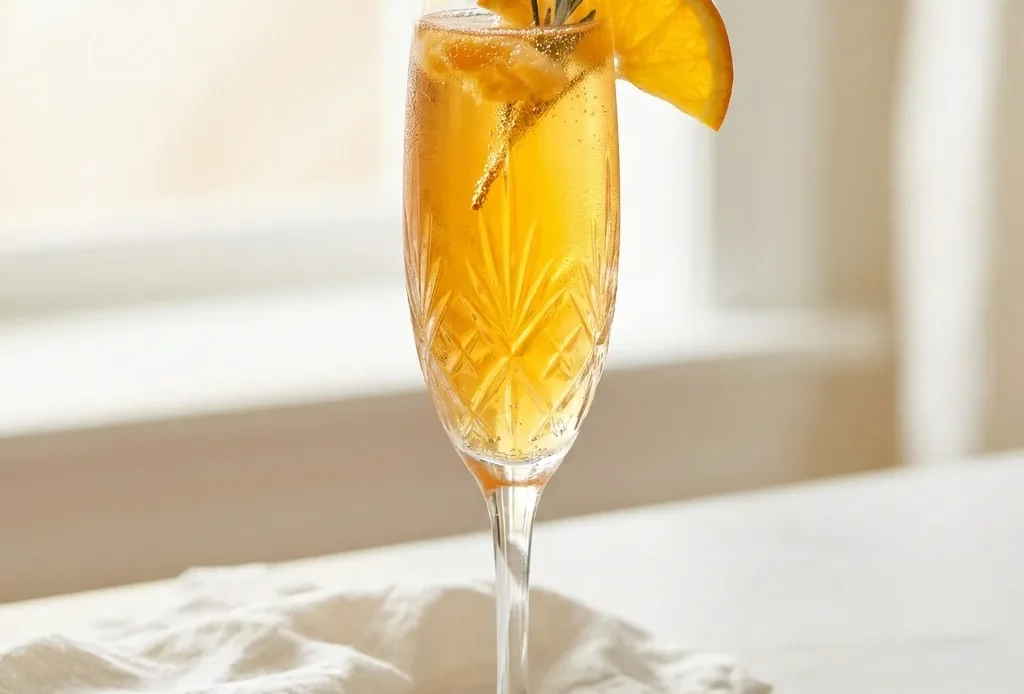
My friend Leila doesn’t drink. Neither does her partner. When I showed up to her birthday brunch last spring with a pitcher of mockmosas, I watched three guests pour themselves a glass without anyone having to explain a thing. No separate juice box off to the side, no awkward “oh, this one’s for you.” This mockmosa recipe is a non-alcoholic version of the classic mimosa, a drink that’s been a brunch staple for nearly a century. Whether your guests are sober-curious, pregnant, driving, or just not in the mood, this recipe gives them something worth pouring.
Most non-alcoholic mimosa recipes get the sparkling base wrong. This one is built around getting that one thing right.
Why This Mockmosa Recipe Works
Champagne is made from white grapes. Sparkling white grape juice is also made from white grapes. They share the same base, which means the flavor profile lands closer to the real thing than ginger ale or sparkling water ever will. Ginger ale is sweet and spiced in a way that tastes like soda. Sparkling water is neutral, fine for a lighter drink, but it doesn’t bring anything.
Sparkling white grape juice is also partially fermented before carbonation, which gives it a faint dry quality that ginger ale doesn’t have. Not Champagne, but close enough that the mimosa structure holds. Set it in a chilled flute next to a real mimosa and most people won’t ask questions.
One more thing: lemon juice. About half a tablespoon per serving corrects for the extra sweetness most US brands carry. Sparkling white grape juice is noticeably sweeter than Champagne, and that sugar goes flat against orange juice. Lemon juice cuts through it. Skip the lemon and the sweetness is basically all you get.
Key Ingredient Notes for Your Mockmosa Recipe
Orange juice is where you’ll feel the quality gap. Fresh-squeezed is worth the extra two minutes here. You notice the brightness immediately, in a way bottled juice doesn’t deliver. Fresh orange juice also provides around 60-70mg of vitamin C per cup. If fresh isn’t an option, use a not-from-concentrate brand with no added sugar. Skip blends or anything labeled “orange drink.”
For the sparkling base, look specifically for sparkling white grape juice, not sparkling apple. Martinelli’s Sparkling Cider is apple, runs very sweet, and will make your mockmosa taste like a juice box. Welch’s Sparkling White Grape Juice is the most widely available option and works well. If your store only carries sweet varieties, reduce the sparkling grape juice by 25% and add an extra half-tablespoon of lemon juice per serving.
Pre-chill your champagne flutes for five minutes in the freezer before you pour. A room-temperature glass releases CO2 faster, and you’ll lose half your bubbles before the first sip.
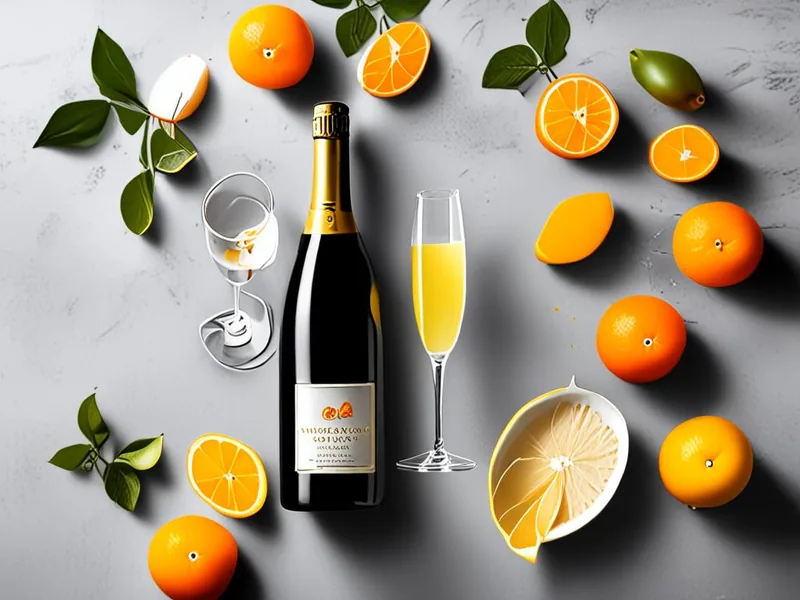
What I Learned Testing This Mockmosa Recipe
My first batch was Martinelli’s over orange juice, equal parts, no lemon juice. I poured four glasses. Two guests finished theirs. One left the glass on the counter. I tasted it again ten minutes later: flat, very sweet, exactly like sparkling apple juice at a kids’ party. I started over.
Welch’s sparkling white grape with a squeeze of lemon was immediately better. Drier finish, with a tartness that balanced the orange without fighting it. I also learned not to pour the sparkling base first. OJ sinks through the carbonation and you get a layered mess that doesn’t mix evenly. Pour the OJ into the glass first, then add the sparkling base gently down the side. Don’t stir. Let the bubbles handle it.
That Saturday morning cost me two bottles and about forty minutes. The ratio I landed on is in the recipe card below.
Mockmosa Variations Worth Trying
- Tropical mockmosa — Replace half the orange juice with pineapple juice. Add a squeeze of lime instead of lemon. The pineapple brings its own acidity, so the drink stays bright without tasting muddled.
- Peach mockmosa — Swap one-third of the OJ for peach nectar. The result is closer to a Bellini than a mimosa, but if you have guests who don’t like orange juice, this is the version they’ll reach for again.
- Ginger ale version — Replace the sparkling grape juice with ginger ale. The warm spiced finish changes the character of the drink entirely — more brunch soda than mimosa, but excellent alongside savory dishes.
- Berry mockmosa — Muddle 6 fresh raspberries into the OJ base before combining. Strain it out before pouring. The juice turns pink and the tartness from the raspberries works well against the sweetness of the sparkling grape.
How to Make a Pitcher Mockmosa
Most pitcher recipes fail because they mix everything together and leave it sitting. Carbonation doesn’t wait. If you stir the sparkling base into a pitcher and set it out, the drink will be half-flat by the time the fourth guest pours.
Keep the components separate until you’re ready to serve. Combine the orange juice and lemon juice in a pitcher ahead of time, cover it, and chill. When guests arrive, pour the OJ base halfway up each flute and add the sparkling white grape juice directly into each glass, gently, down the inside of the glass. Serve immediately.
If you need a single pre-mixed pitcher for a table setting, add the sparkling base last, give it one slow stir, and plan to serve within five minutes. Beyond that, you’re fighting a losing battle against CO2 escape.
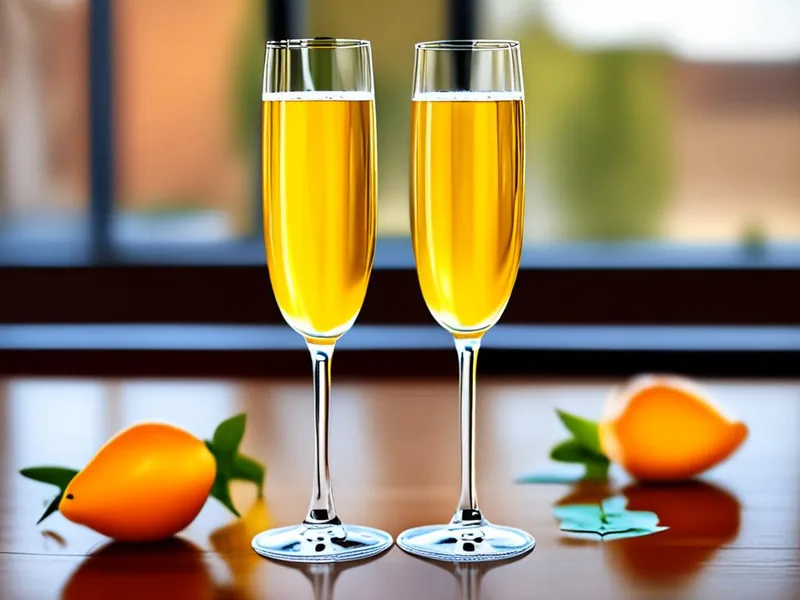
Troubleshooting Your Mockmosa Recipe
It’s too sweet. This is almost always the sparkling grape juice brand. Check the label for added sugar. Fix: reduce sparkling grape juice by 25% and increase lemon juice to 1 full tablespoon per serving. If switching brands is an option, look for “dry style” or “no added sugar.”
Bubbles are gone flat. You either added the sparkling base too early or stirred the glass. Fix: always add sparkling components last. Use pre-chilled flutes — room-temperature glass accelerates CO2 loss significantly. Pour gently down the side of the glass, never straight down into liquid.
It tastes watery or thin. Check your OJ first — diluted juice concentrate or orange-flavored blends read thin and flat. Use a pure, not-from-concentrate juice. If the drink needs more body, reduce the sparkling grape juice slightly and add a small amount of fresh lemon juice to sharpen what’s there.
More Mocktails You’ll Love
If you liked this mockmosa recipe, the peach bellini mocktail is the natural next step — same sparkling glass, different fruit base. For something with more bitterness and complexity, the mocktail Aperol spritz delivers that. And for a lighter, herb-forward option, the lychee lime mojito spritz is worth an afternoon. If brunch calls for something savory instead of sparkling, the virgin mary mocktail goes in a completely different direction. All recipes and more at the mocktail recipes guide.

Mockmosa (Non-Alcoholic Mimosa)
Equipment
- 4 Champagne flutes Pre-chill in freezer 5 minutes before serving
- 1 Pitcher or measuring cup For mixing OJ base
- 1 Citrus juicer For fresh orange juice and lemon juice
Ingredients
For the Mockmosa
- 2 cups fresh orange juice chilled, fresh-squeezed or not-from-concentrate
- 2 cups sparkling white grape juice chilled — dry-style preferred, such as Welch’s Sparkling White Grape
- 2 tablespoons fresh lemon juice about 1 lemon — balances sweetness in the sparkling base
- 1 tablespoon simple syrup optional — only if OJ is very tart
For Garnish
- 4 orange wheels sliced thin, balanced on rim
- 4 small fresh mint sprigs optional
Instructions
Prepare the Glasses and Juice Base
- Place 4 champagne flutes in the freezer for 5 minutes before serving. A cold glass holds carbonation significantly longer than a room-temperature one.
- Combine the orange juice and fresh lemon juice in a pitcher or measuring cup. Stir once to combine. Taste and add simple syrup if the orange juice runs very tart. Do not add sparkling grape juice yet.
- If preparing ahead, cover the OJ-lemon mixture and refrigerate until ready to serve. Keep the sparkling white grape juice cold and separate until the moment of pouring.
Assemble and Serve
- Remove chilled flutes from the freezer. Fill each glass halfway with the orange juice and lemon juice mixture — about 1/2 cup per glass.
- Hold each flute at a slight angle and pour the sparkling white grape juice slowly down the inside of the glass. This gentle pour preserves the carbonation. Fill to the top — about 1/2 cup per glass.
- Set the glass upright and do not stir. The carbonation will mix the juice and sparkling base naturally within seconds. Stirring releases CO2 and flattens the drink fast.
- Balance an orange wheel on the rim of each flute. Add a mint sprig if using. Serve immediately — bubbles are at their best in the first two minutes after pouring.
Notes
Frequently Asked Questions
What is a mockmosa?
A mockmosa is a non-alcoholic version of the classic mimosa cocktail. Instead of Champagne or prosecco, it uses a sparkling alternative such as sparkling white grape juice, ginger ale, or sparkling water combined with orange juice. The result is a bubbly, citrusy brunch drink with no alcohol.
What can I use instead of champagne in a mimosa?
Sparkling white grape juice is the closest substitute because it shares the same grape base as Champagne. Ginger ale works but adds a warm, spiced note. Sparkling water is lighter and more neutral. Avoid sparkling apple cider — it runs much sweeter and changes the flavor profile significantly.
Can you make a mimosa without alcohol?
Yes. Replace the Champagne or prosecco with sparkling white grape juice or ginger ale. Use fresh orange juice and add a small amount of fresh lemon juice to balance the sweetness of most non-alcoholic sparkling options. The result is very close to a classic mimosa in flavor and appearance.
What is the difference between a mockmosa and a mimosa?
A mimosa uses Champagne or prosecco as the sparkling component. A mockmosa replaces it with a non-alcoholic sparkling drink, usually sparkling white grape juice or ginger ale. Both use orange juice as the citrus base and follow the same 1:1 ratio. The flavor is similar, though slightly sweeter in the alcohol-free version without a lemon correction.
What juice is best for a non-alcoholic mimosa?
Fresh-squeezed orange juice is the standard and the best option. Not-from-concentrate orange juice is a close second. Avoid juice blends or drinks labeled “orange drink” — they are too diluted to hold up against the sparkling base. Peach nectar and pineapple juice work well as partial swaps for variation.
How do you make a mockmosa for a crowd?
Mix your orange juice and lemon juice in a pitcher and chill it. Keep the sparkling white grape juice separate in a cold bottle. When guests are ready, pour the OJ base halfway up each flute, then add sparkling grape juice gently down the inside of each glass. Serving glass by glass keeps bubbles alive much longer than mixing everything into a pitcher at once.
Is sparkling white grape juice a good champagne substitute?
It is the closest widely available option. Both Champagne and sparkling white grape juice are made from white grapes, so they share a similar base flavor. The main difference is sweetness — most US brands of sparkling grape juice are sweeter than Champagne, which is why a small amount of fresh lemon juice helps balance the drink.
What occasions are mockmosas good for?
Mockmosas work well at any gathering where some guests may not be drinking: baby showers, bridal showers, birthday brunches, holiday mornings, Dry January events, or any brunch where drivers, pregnant guests, or sober-curious friends are present. They are quick to make and require no special equipment beyond champagne flutes and a pitcher.
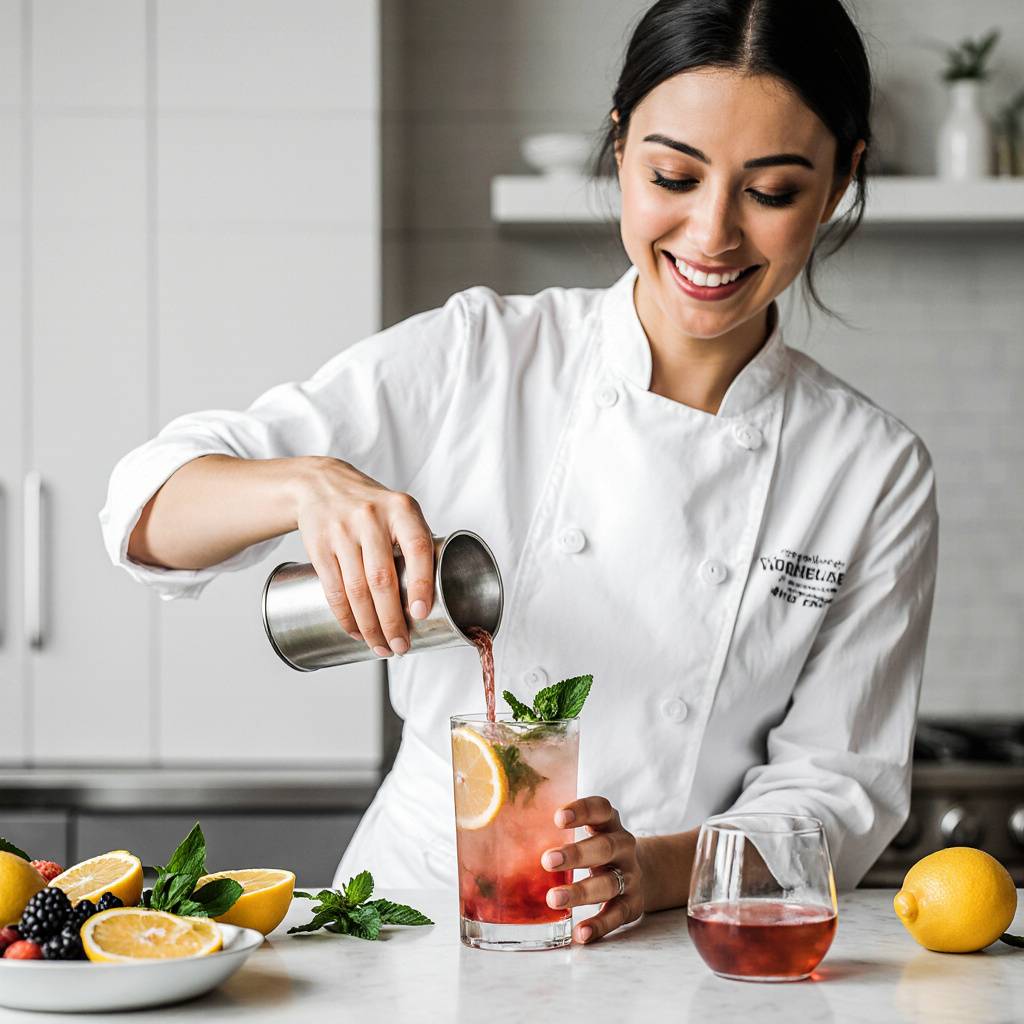
I tried this mockmosa recipe this weekend and it turned out amazing. The balance between the citrus and the bubbly texture is really refreshing, and it honestly feels like a perfect alcohol-free alternative to a classic brunch drink. I also like how simple the ingredients are—definitely something I’ll make again for guests.