
Korean flavor profiles translate unusually well into non-alcoholic drinks. Yuja citrus, omija berries, boricha barley tea — they’re less sweet than most Western mocktails and more layered in a way that holds up over a full glass. I’ve been working through these for a few months and a few have become things I actually make when people come over.
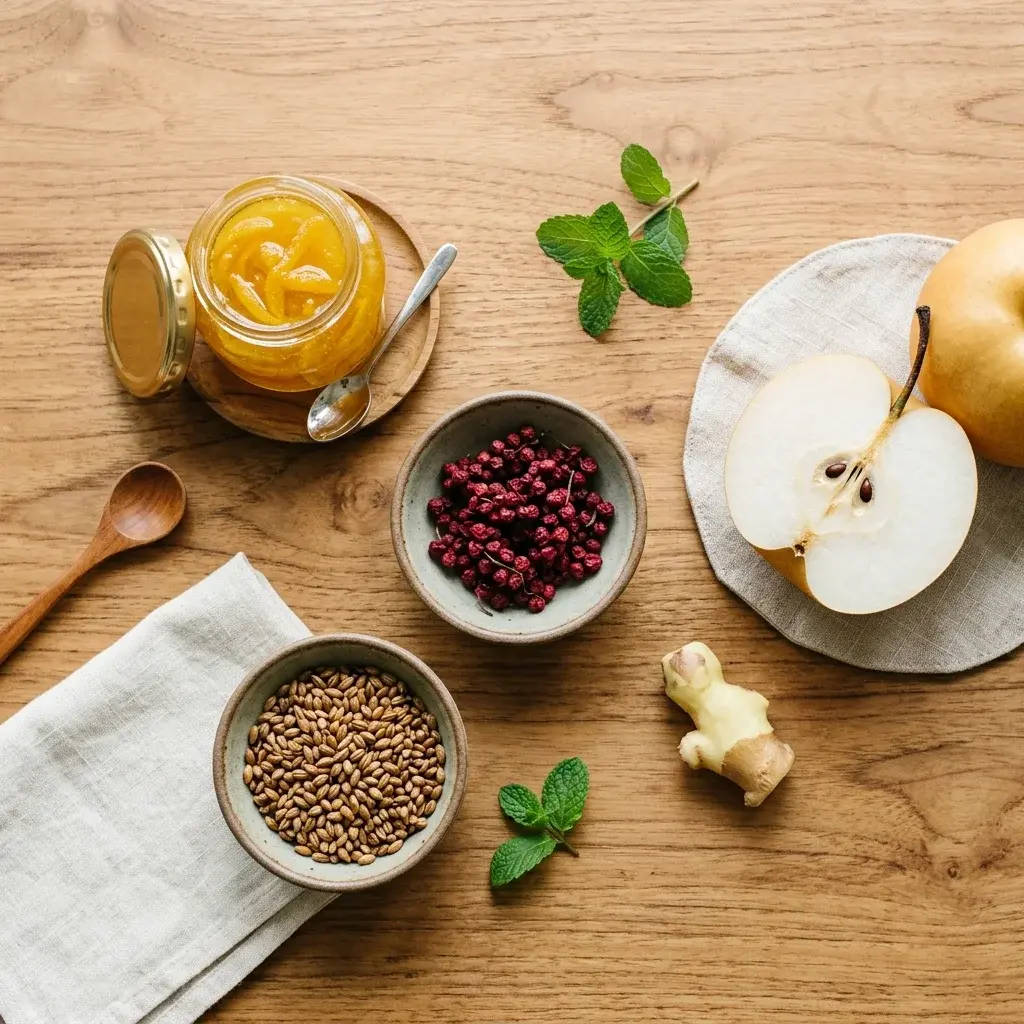
Most of the key ingredients are available at Korean grocery stores or online — yuja preserve, dried omija berries, roasted barley — and they’re inexpensive. Here are six korean mocktail recipes worth making.. These korean mocktail recipes are built around ingredients available at most Asian grocery stores.
6 Korean mocktail recipes to try
1. Yuja (yuzu) citrus spritz
Yuja is a Korean citrus that sits somewhere between a lemon and a mandarin — tart, floral, with a slightly bitter rind note. In Korea it’s most often sold as yuja-cheong, a thick honey-and-citrus preserve that dissolves into water. For a Korean mocktail, one tablespoon of yuja-cheong stirred into sparkling water over ice is already a complete drink. It’s one of the rare cases where doing less gives a better result: the yuja flavor is complex enough that it doesn’t need anything else.
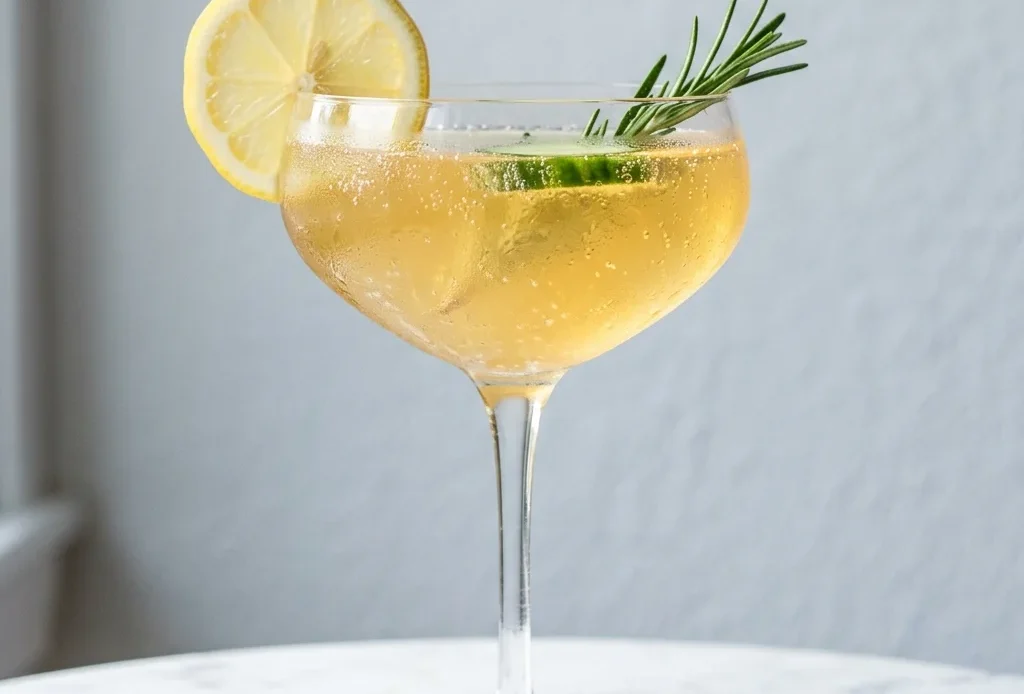
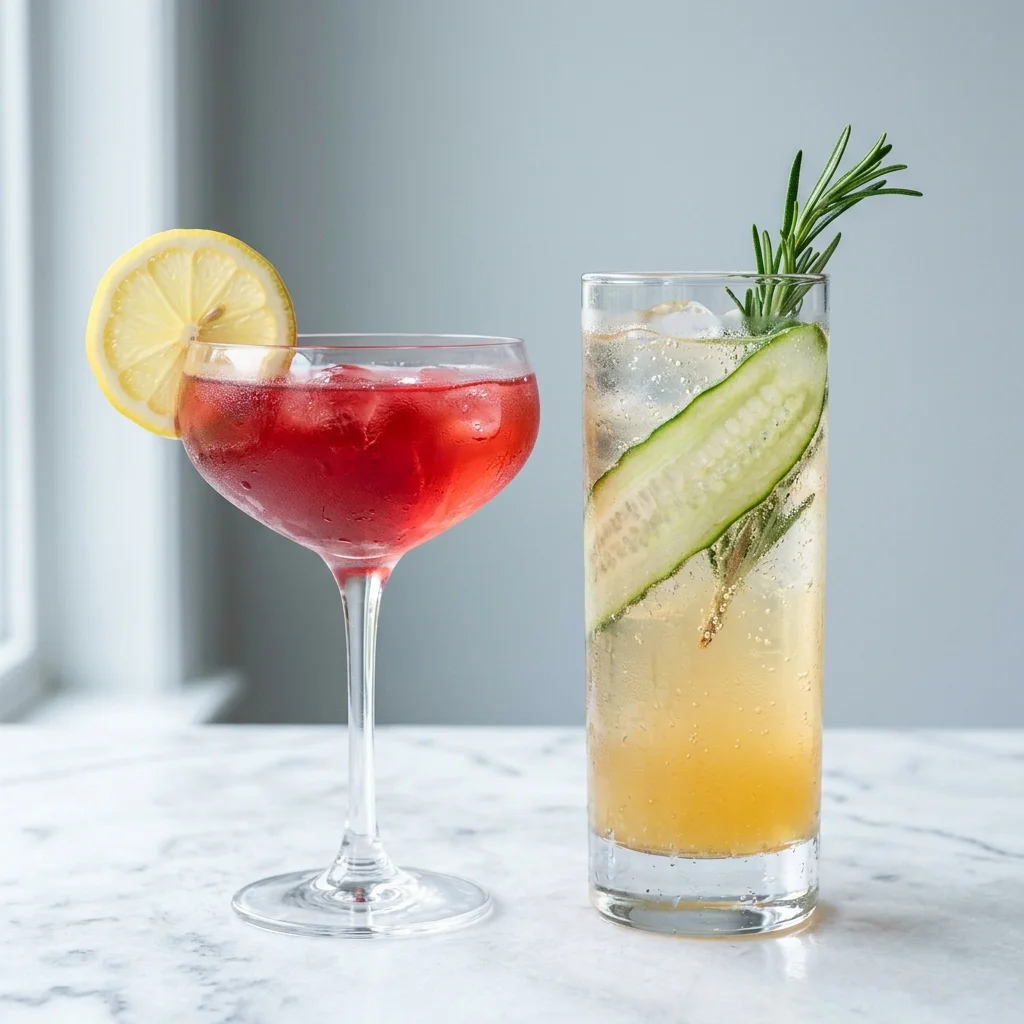
For a slightly elevated version, add a thin slice of cucumber and a small sprig of rosemary. The cucumber keeps the citrus from reading too sweet; the rosemary adds an herbal note that plays off the floral quality of the yuja. Serve in a coupe or wine glass so the pale golden color shows. It looks more elaborate than it is.
Get the full yuzu mocktail recipe (with step-by-step) →
2. Omija five-flavor mocktail
Omija (오미자) are small dried berries named for the five flavors they contain: sweet, sour, salty, bitter, and pungent. The traditional preparation is a cold steep — dried berries in cold water for 8-12 hours — which produces a deep rose-red liquid unlike anything else. It’s sour at first, then sweet, then there’s a faint savory note at the finish. I served this at a dinner last fall without explaining what it was and three people asked if it was a wine blend. That doesn’t happen often with non-alcoholic drinks.
For the mocktail version, steep the berries overnight, strain, sweeten lightly with honey (too much erases the interesting savory notes), and top with sparkling water. Add a small lemon wedge on the rim for a citrus note that helps bridge the omija flavor for people who find it unfamiliar. The color alone makes it worth serving at events — deep rose-red, no food dye required.
Get the full omija mocktail recipe →
3. Dalgona coffee mocktail
Dalgona coffee went viral internationally in 2020 but had been a Korean street food staple for years before that. The technique is simple: whip instant coffee, sugar, and hot water in equal parts until the mixture forms a thick caramel-colored foam, then spoon it over cold milk. The slightly bitter coffee foam over cold sweet milk is what makes it work. For a non-alcoholic Korean mocktail take on it, use oat milk as the base — slightly creamier texture that holds the foam longer. The ingredients are pantry staples, no Korean grocery store required, which makes this the easiest entry point in this list. It also works as dessert.
Get the full dalgona coffee mocktail recipe →
4. Sikhye sparkling punch
Sikhye (식혜) is a traditional Korean rice punch — malt water, cooked rice, and sugar, served cold. Sweet and slightly cloudy, with a faint fermented-grain flavor that reads more like a dessert than a drink. Making it from scratch takes several hours. Most people don’t. The shortcut is canned sikhye from a Korean grocery store: pour it over ice, top with a small amount of sparkling water to add carbonation, and add a thin slice of fresh ginger for some heat that cuts through the sweetness. The floating rice grains are part of the drink — strain them out for a cleaner texture, or leave them in.
Get the full sikhye drink recipe →
5. Boricha iced barley tea mocktail
Boricha (보리차) is roasted barley tea, the drink that shows up in Korean restaurants in place of water. Caffeine-free, and it tastes like toasted grain — earthy, no bitterness, nothing you’d expect from something called a tea. Served cold, it has a depth of flavor that’s hard to place at first. Most Western guests assume something has been added to it when it’s just roasted barley steeped in hot water and cooled down.
For the Korean mocktail version: brew a strong batch, chill it, and combine it with a small amount of honey and a squeeze of lemon. Top with sparkling water. The carbonation changes the texture completely — the earthiness of the barley carries differently through bubbles, and the lemon brightens what can otherwise read as flat. The boricha mocktail is the most understated on this list and the one people keep asking about after they’ve had it.
6. Korean pear and ginger mocktail
Asian pears are crispier and less sweet than Western pears, with a clean watery flavor that blends without the heavy body of a Bartlett or Bosc. Canned Asian pear juice from a Korean grocery store skips the need to juice whole fruit — combine it with fresh ginger juice (a small knob pressed through a fine mesh strainer), a squeeze of lime, and sparkling water. Garnish with a thin pear slice on the rim. The ginger heat arrives a beat after the first sip, which makes it interesting in a way simpler fruit drinks usually aren’t.
Get the full Korean pear and ginger mocktail recipe →
Where to find ingredients for Korean mocktail recipes
Yuja-cheong and canned sikhye are the easiest to find at any Korean or Asian grocery store, usually for under $8. Dried omija berries and roasted barley are in the tea and grain section. Asian pear juice in cans is in the beverage aisle. For online orders, H-Mart ships nationally in the US, and most of these ingredients are on Amazon. The total cost to stock all six Korean mocktail recipes is roughly $25-30 in specialty ingredients, most of which will last through several batches.
More Korean mocktail recipes
Each of the six recipes above has a full dedicated recipe card with exact measurements, step-by-step instructions, and troubleshooting notes:
- Yuzu Mocktail (Yuja Citrus Spritz)
- Omija Mocktail (Five-Flavor Berry)
- Dalgona Coffee Mocktail
- Sikhye Sparkling Punch
- Boricha Iced Barley Tea Mocktail
- Korean Pear and Ginger Mocktail
For more non-alcoholic drinks, the mocktail recipes guide covers the full range from quick fruit drinks to more elaborate builds.
Frequently Asked Questions
What is a Korean mocktail?
A Korean mocktail is a non-alcoholic drink made with Korean ingredients or inspired by traditional Korean flavors. Common bases include yuja (yuzu citrus preserve), omija (five-flavor berries), sikhye (sweet rice punch), and boricha (roasted barley tea). They tend to be less sweet and more layered in flavor than typical Western mocktails.
What is yuja and where can I buy it?
Yuja (also spelled yuzu) is a Korean citrus fruit with a flavor between lemon and mandarin — tart, floral, and slightly bitter. It is most commonly sold as yuja-cheong, a thick honey-citrus preserve. You can find it at Korean grocery stores like H-Mart, most Asian supermarkets, and on Amazon. One jar typically costs $6-10 and makes dozens of drinks.
What does omija taste like?
Omija (five-flavor berry) has a genuinely unique flavor — sour on the first sip, then sweet, then a faint salty-bitter finish. The name refers to its five distinct flavor notes. Steeped in cold water, it produces a deep rose-red liquid that tastes unlike anything else in a Western fruit drink context. Most people find it surprising the first time.
What is sikhye?
Sikhye (식혜) is a traditional Korean sweet rice punch made from malted barley water and cooked rice. It is non-alcoholic and mildly sweet with a faint fermented-grain flavor. It is traditionally served cold at holidays and festive meals. Canned versions are available at Korean grocery stores for easy use as a mocktail base.
What is boricha?
Boricha (보리차) is roasted barley tea, a common table drink in Korean restaurants. It is completely caffeine-free, earthy, and slightly nutty. Served cold it tastes similar to a very lightly flavored grain tea. It is one of the most widely consumed everyday beverages in South Korea and works well as a mocktail base when combined with honey, lemon, and sparkling water.
Can I find Korean mocktail ingredients at a regular grocery store?
Some Korean mocktail ingredients are becoming more widely available, but specialty items like yuja-cheong, dried omija berries, and boricha are most reliably found at Korean or Asian grocery stores. Dalgona coffee uses only pantry staples (instant coffee, sugar, water, milk). Asian pear juice in cans is sometimes available at larger grocery stores in the international foods aisle.
What is the easiest Korean mocktail to make?
The yuja citrus spritz is the easiest — one tablespoon of yuja-cheong stirred into sparkling water over ice. The dalgona coffee mocktail is a close second and uses only ingredients most people already have. Both can be made in under five minutes with no specialty equipment.
Are Korean mocktails suitable for kids?
Yes — all six Korean mocktail recipes in this article are fully non-alcoholic. Sikhye is traditionally served to all ages in Korea. The omija mocktail is quite tart and may need extra honey for younger palates. The dalgona coffee version contains caffeine from the instant coffee, so substitute decaf if making it for children.
Tried the yuzu and the dalgona versions from this roundup. Both were genuinely impressive and unlike anything else I’d made.